Weather Balloon
Weather balloons are high-altitude balloons that carry instruments into the atmosphere to measure temperature, humidity, air pressure and wind.

 SnowStorms
 Weather balloons are high-altitude balloons that carry instruments into the atmosphere to measure temperature, humidity, air pressure and wind.
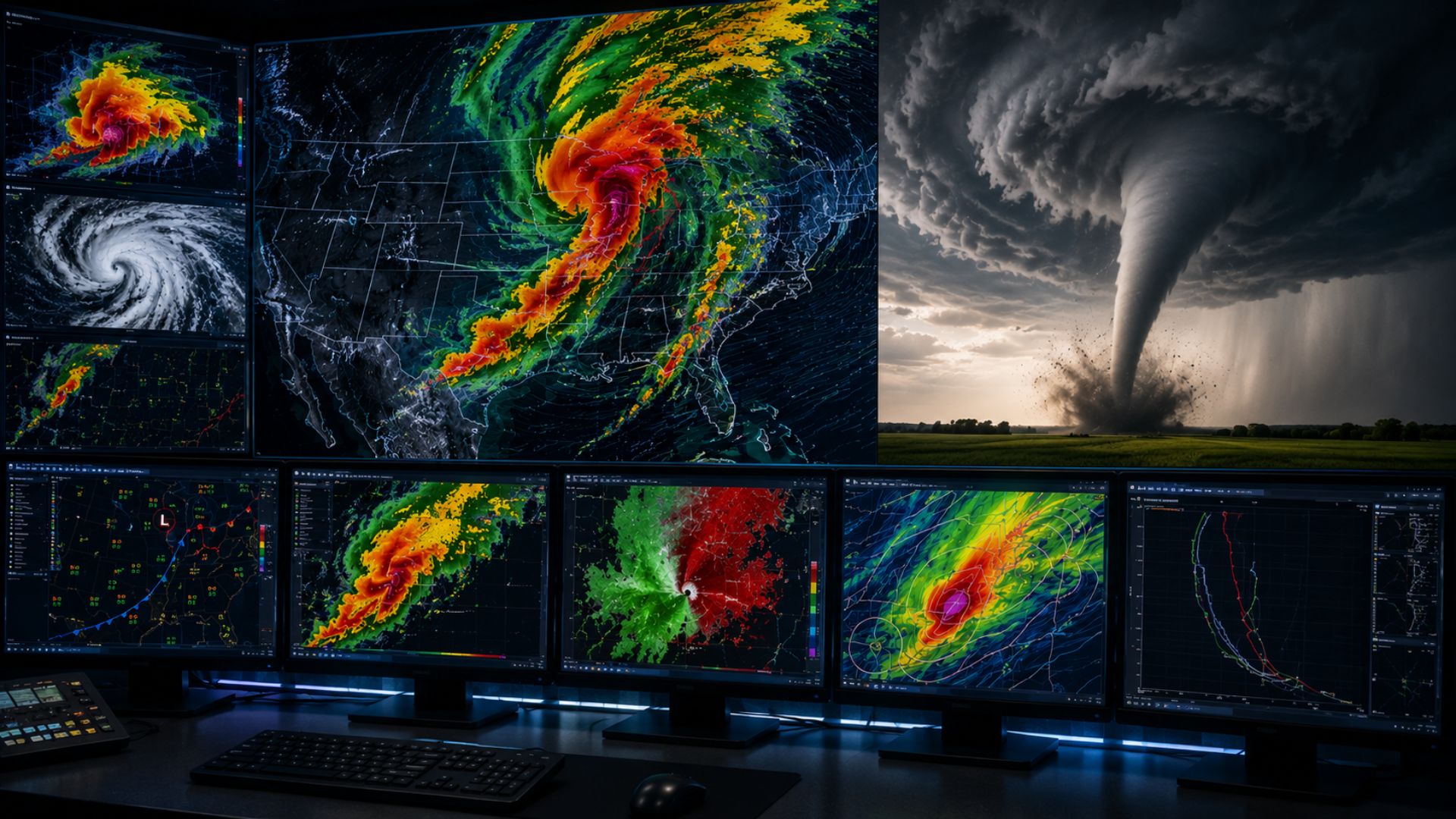
Meteorologists predict tornadoes by identifying atmospheric conditions that favour severe thunderstorms, including instability, moisture, wind shear and lift. Computer forecast models can highlight areas at risk days in advance, while satellites, weather observations and Doppler radar help meteorologists track developing storms. As thunderstorms form, Doppler radar can detect rotation that may indicate a tornado is developing or already occurring.
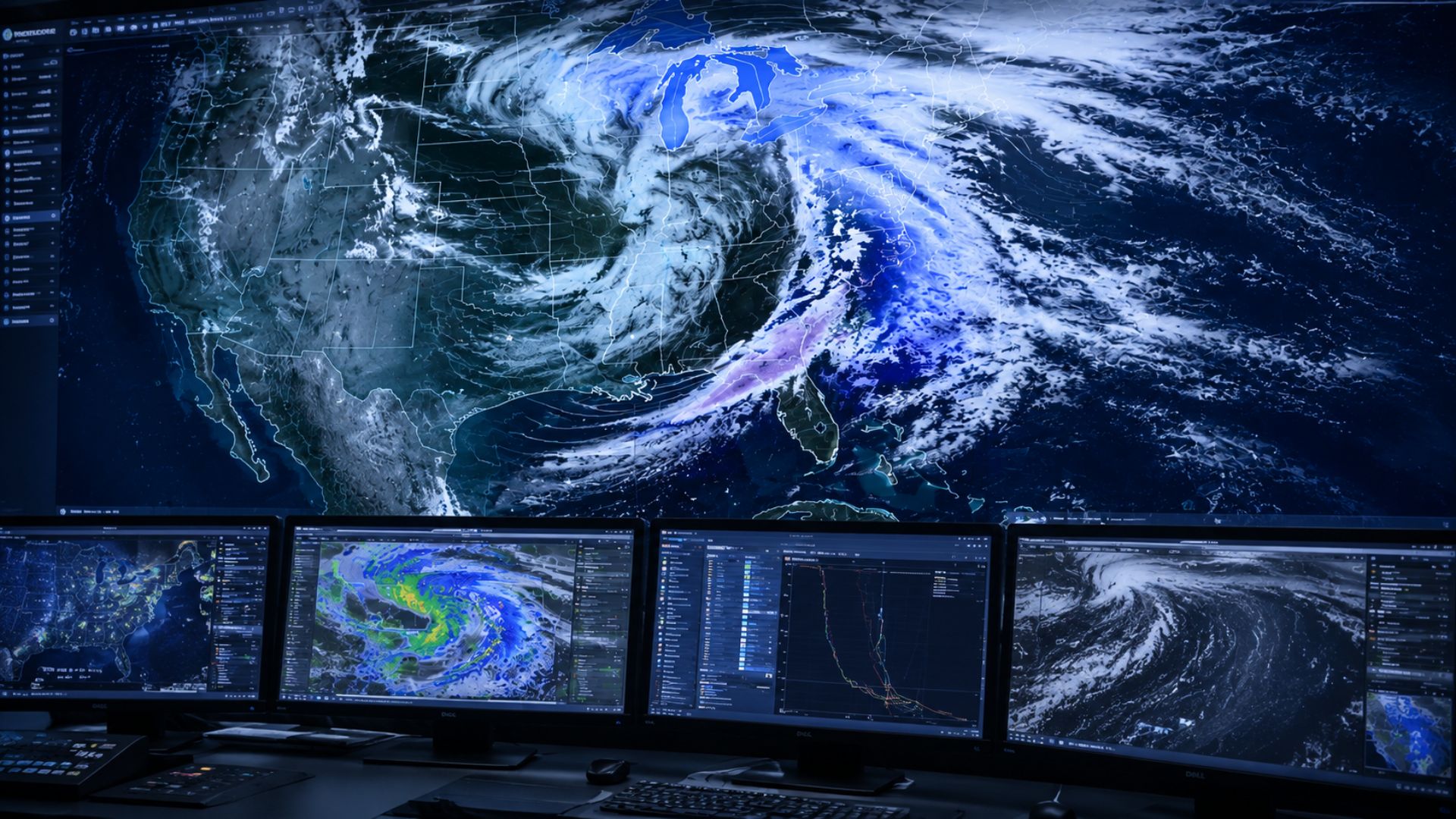
Meteorologists predict snow by analyzing temperature, moisture, atmospheric conditions, and weather models. Here’s how forecasters determine when snow could fall and how much may accumulate.
A red weather warning is the highest level of weather alert, indicating that dangerous or life-threatening conditions are occurring or expected. Learn what a red weather warning means, when it’s issued, and the actions you should take to protect yourself and others.
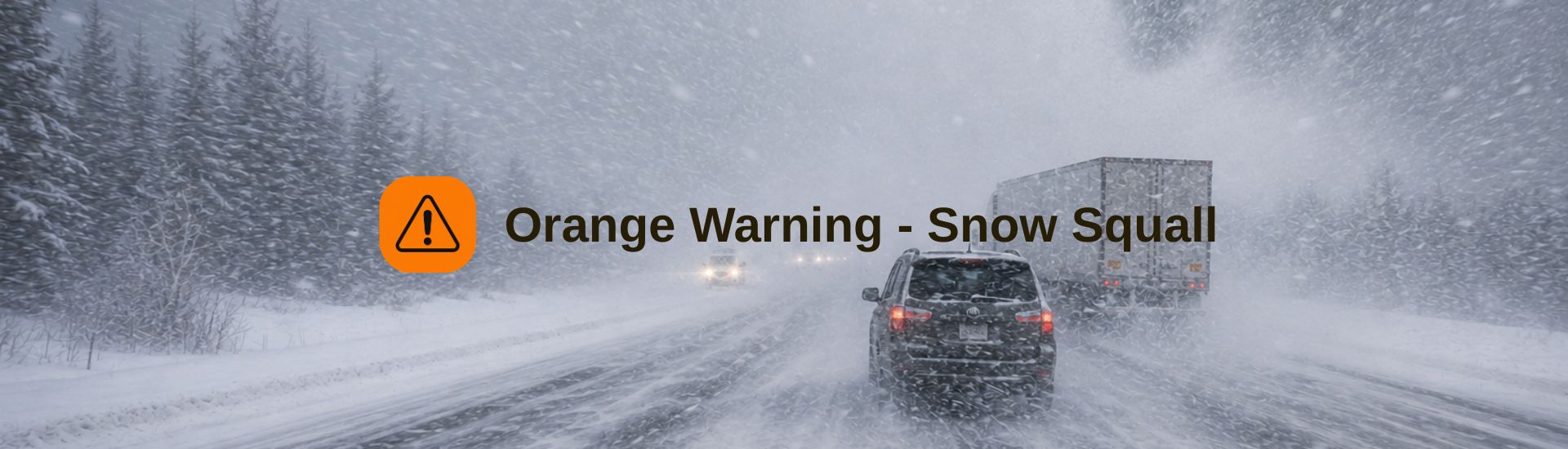
An Orange Snow Squall Warning signals a high likelihood of dangerous travel conditions due to intense snowfall, strong winds, and widespread visibility reductions. Travel may become hazardous, particularly on highways and exposed roads, and motorists should delay unnecessary trips if possible.
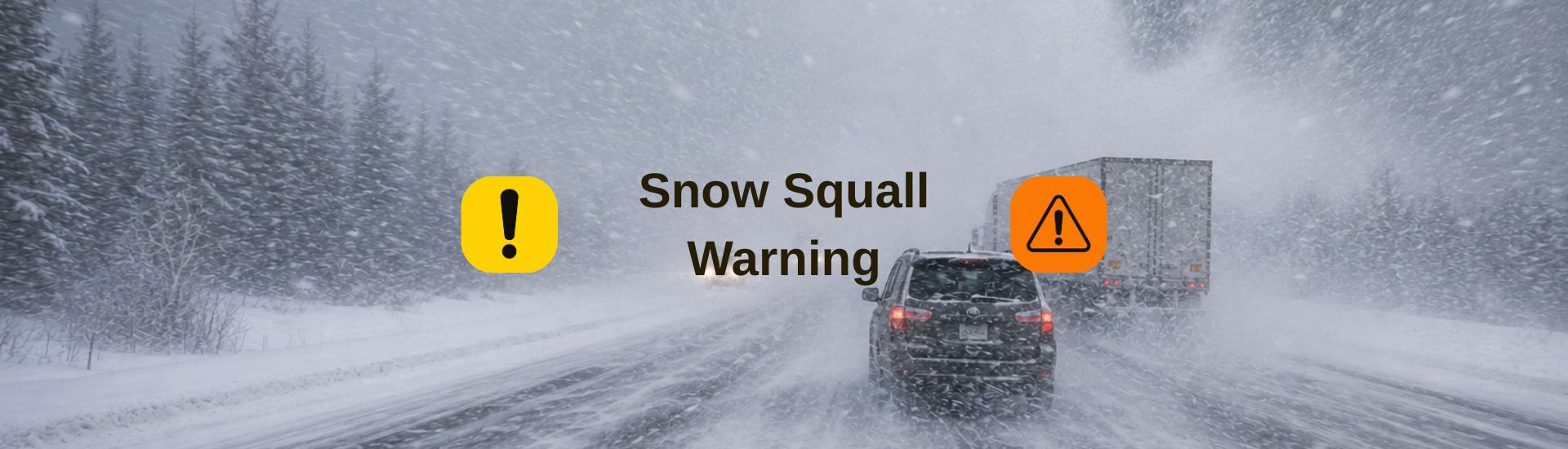
A Snow Squall Warning is issued when intense bursts of snow, strong wind gusts, and sudden whiteout conditions are expected or occurring. Snow squalls can rapidly reduce visibility to near zero and create dangerous travel conditions, even though they typically last less than an hour.
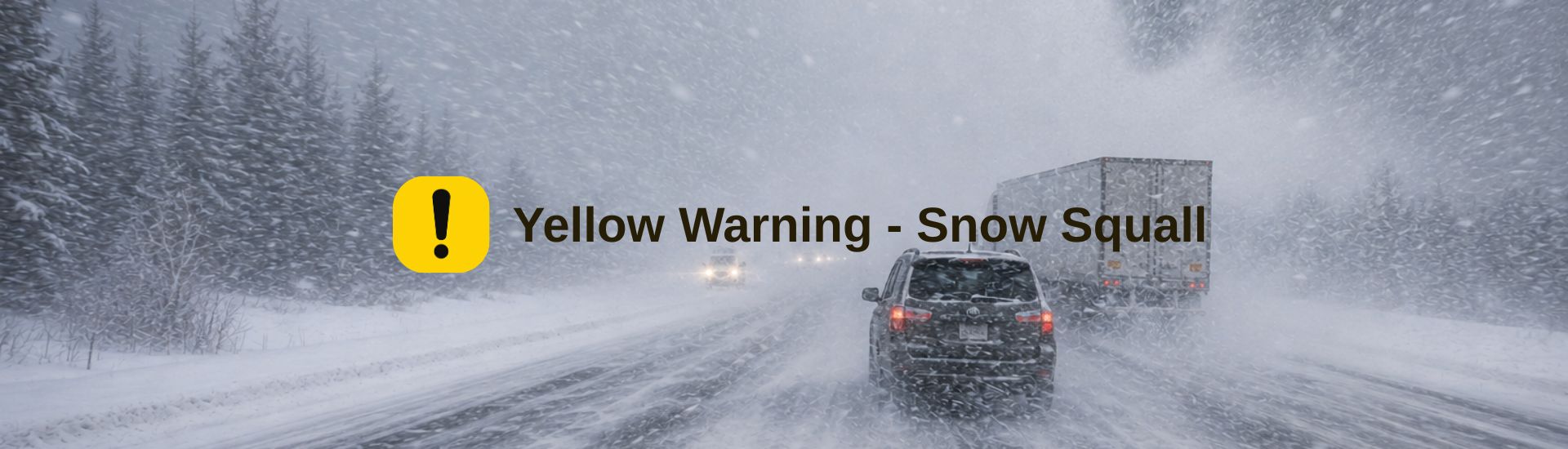
A Yellow Snow Squall Warning indicates a low to moderate risk of hazardous travel caused by brief periods of heavy snowfall, blowing snow, or reduced visibility. While impacts are generally localized, drivers should be prepared for rapidly changing road conditions.
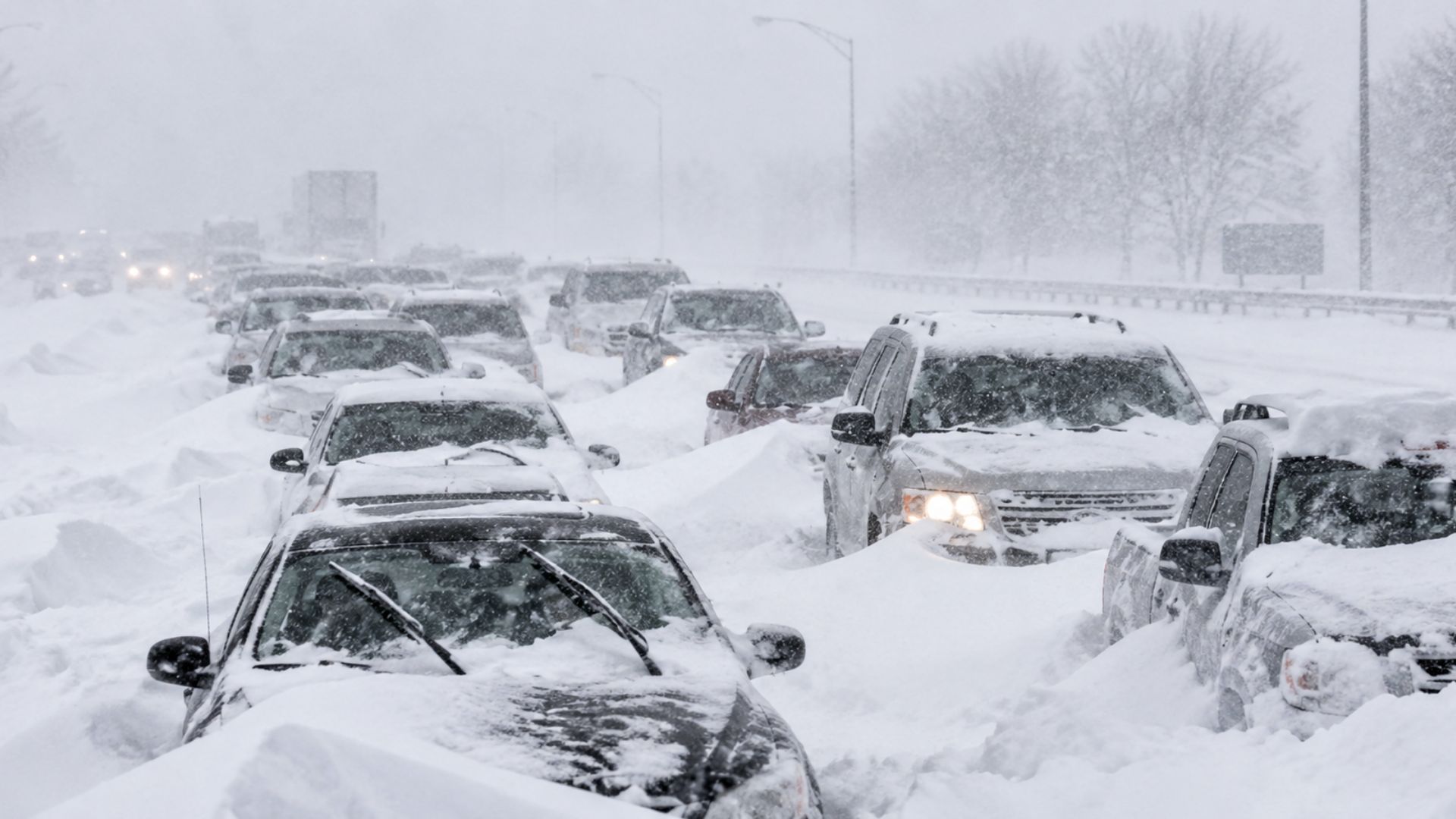
The 2011 Groundhog Day Blizzard was one of the largest and most disruptive winter storms in North American history. From January 31 to February 3, 2011, the storm brought blizzard conditions, heavy snowfall, damaging winds, and widespread travel disruptions from Texas to Atlantic Canada. Learn how the storm formed, where it hit hardest, snowfall totals by location, and why it remains one of the most significant winter weather events of the 21st century.
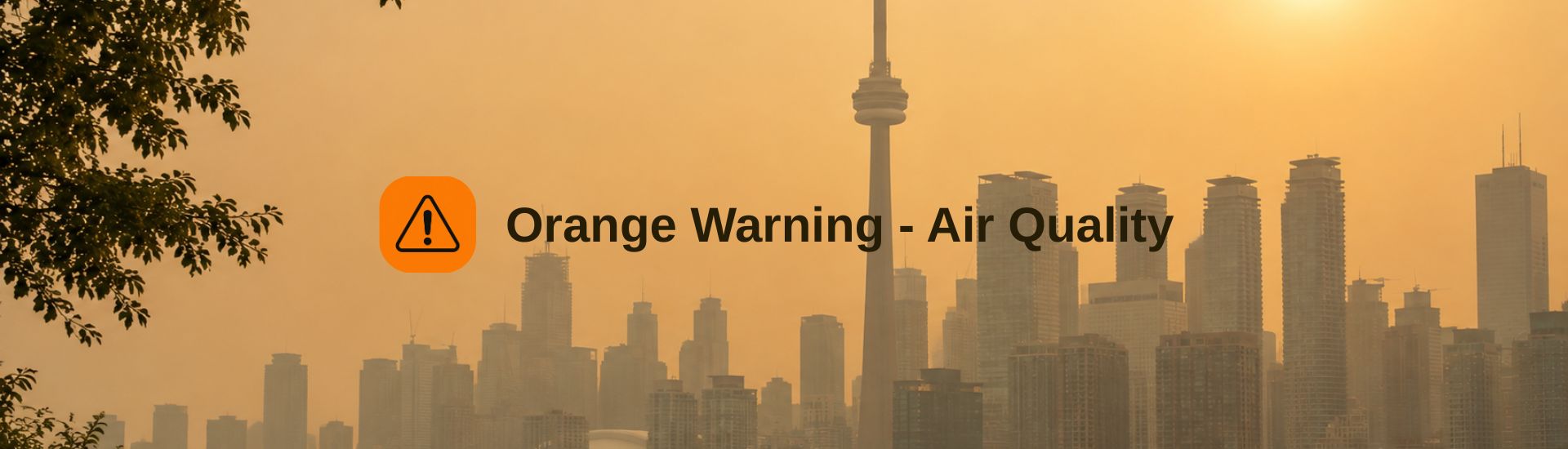
An orange Air Quality Warning indicates a high health risk, generally corresponding to an AQHI rating of 7 to 9. During these conditions, everyone should consider reducing prolonged outdoor exertion, while those at higher risk should limit their exposure and follow public health guidance.
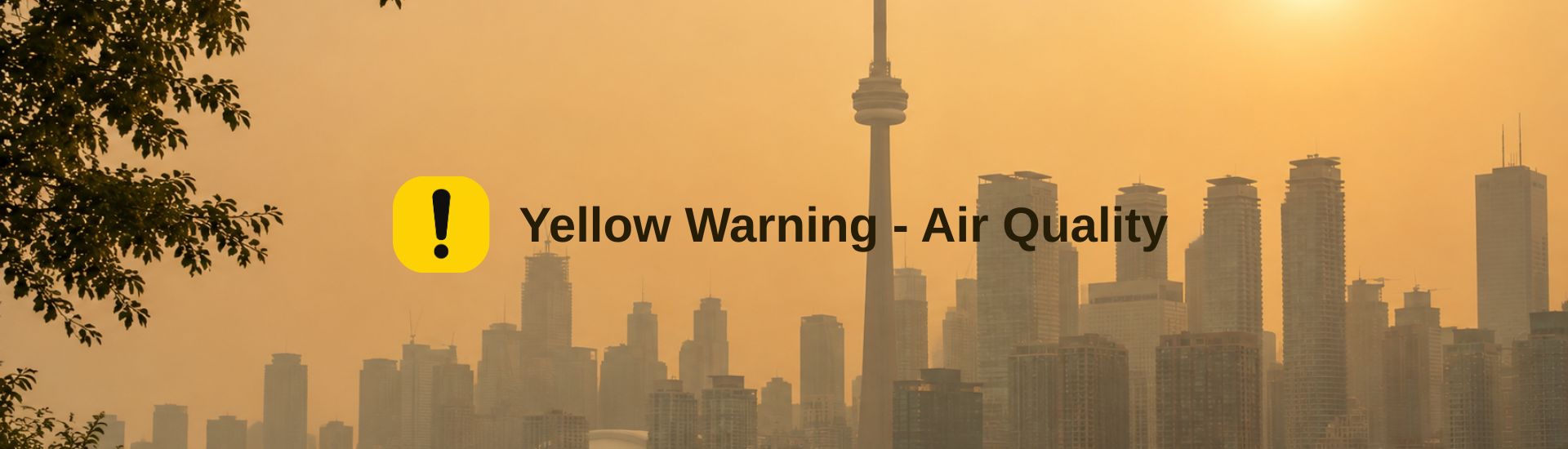
A yellow Air Quality Warning indicates a moderate health risk, typically corresponding to an AQHI rating of 4 to 6. While most people can continue their normal activities, individuals who are more sensitive to air pollution may wish to reduce prolonged or strenuous outdoor activity.