How Far in Advance Can Weather Be Predicted?

How far ahead can weather actually be predicted? Learn how reliable 3-day, 7-day, 10-day, and longer-range forecasts are and why uncertainty increases with time.

 SnowStorms
How far ahead can weather actually be predicted? Learn how reliable 3-day, 7-day, 10-day, and longer-range forecasts are and why uncertainty increases with time.
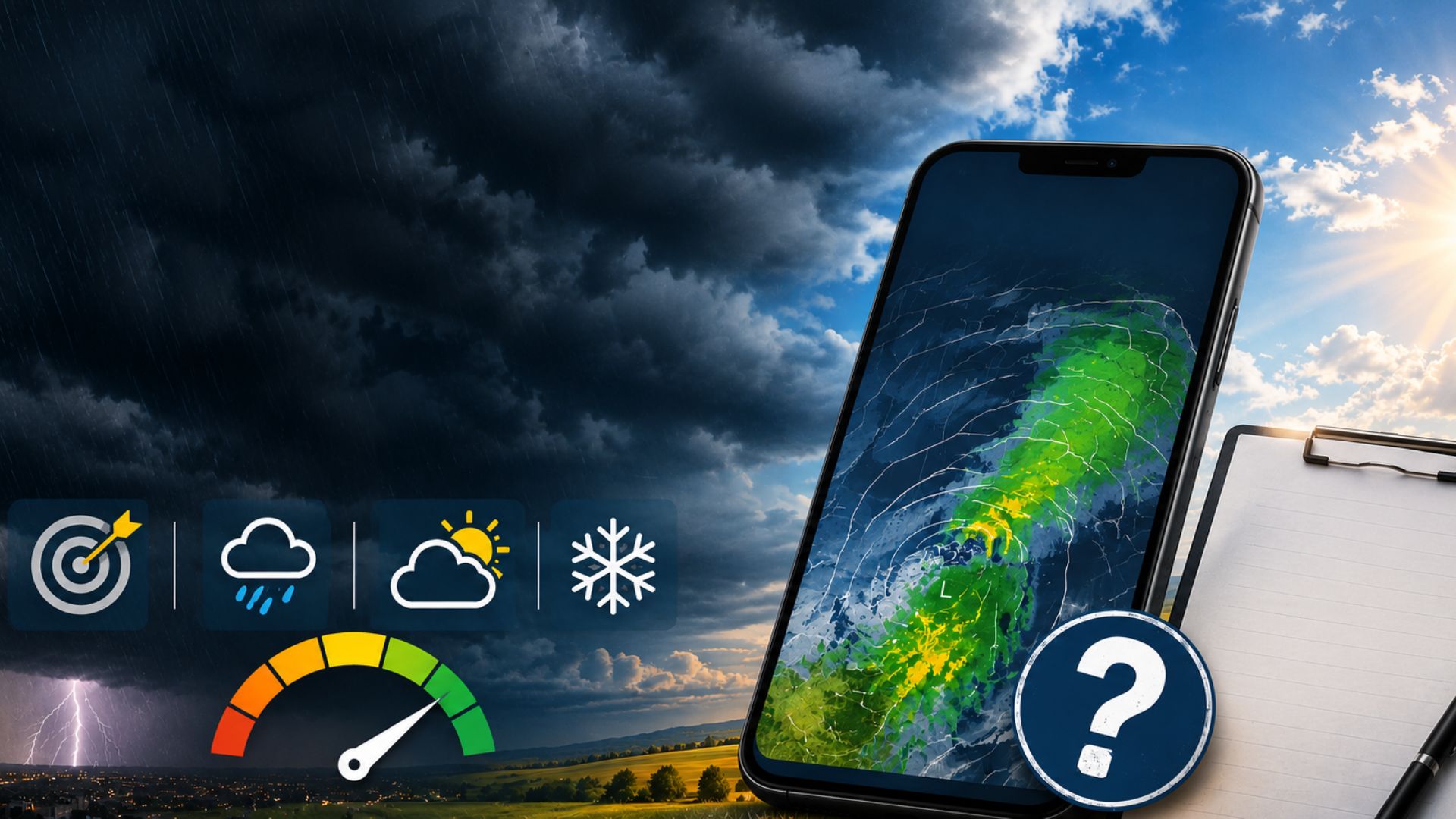
How accurate are weather forecasts? Learn how forecast accuracy changes over time and why temperature, precipitation, storms, and other conditions can be difficult to predict.

Why did tomorrow’s forecast suddenly change? Learn why weather forecasts are updated, how new observations affect predictions, and why changing forecasts are a normal part of meteorology.
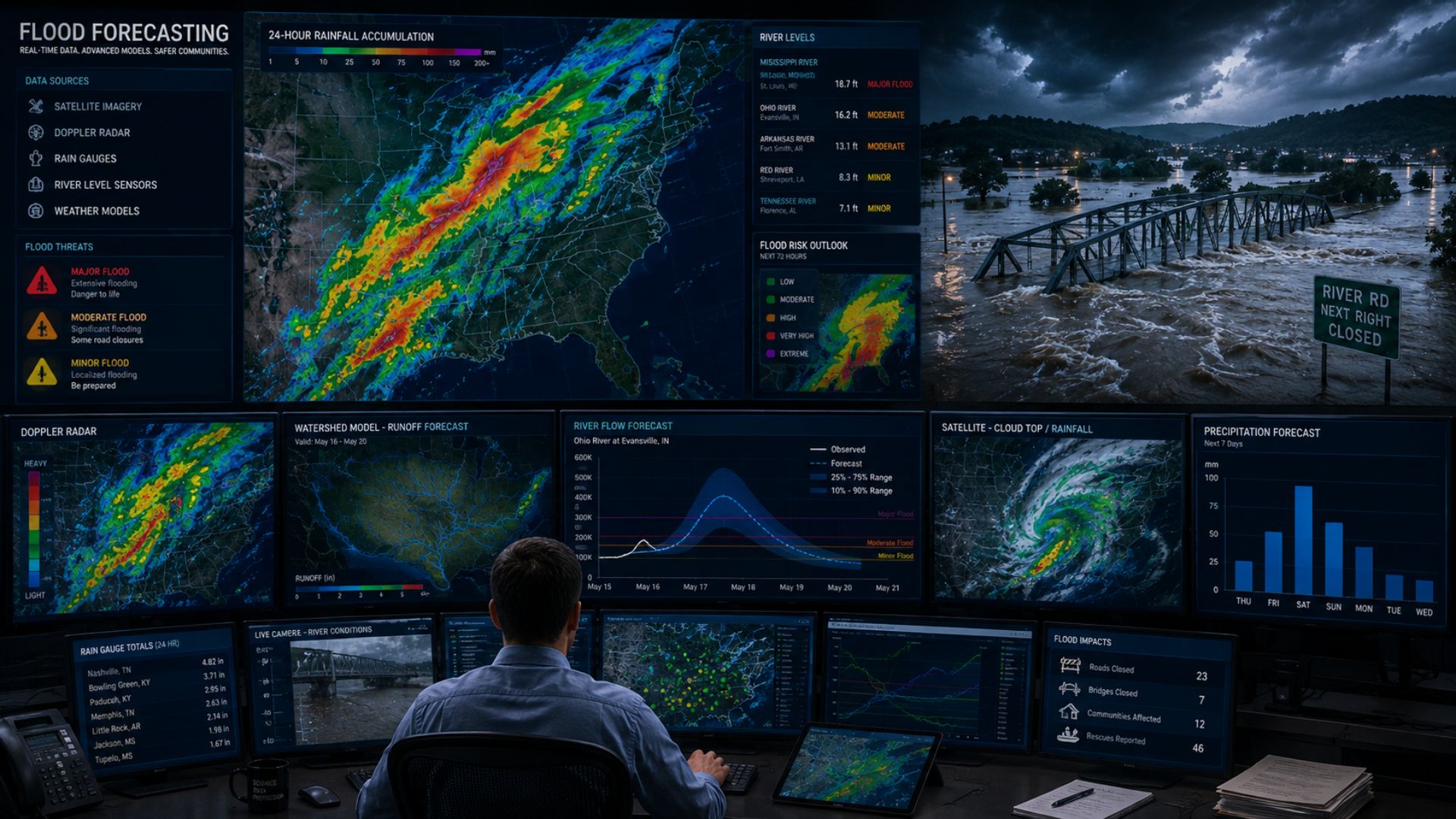
Meteorologists predict floods by combining rainfall forecasts with river levels, soil conditions, runoff data, radar, and hydrologic models to identify areas at risk.

Meteorologists predict wind by analyzing air pressure, atmospheric circulation, and wind measurements, then using computer models to forecast wind speed and direction.
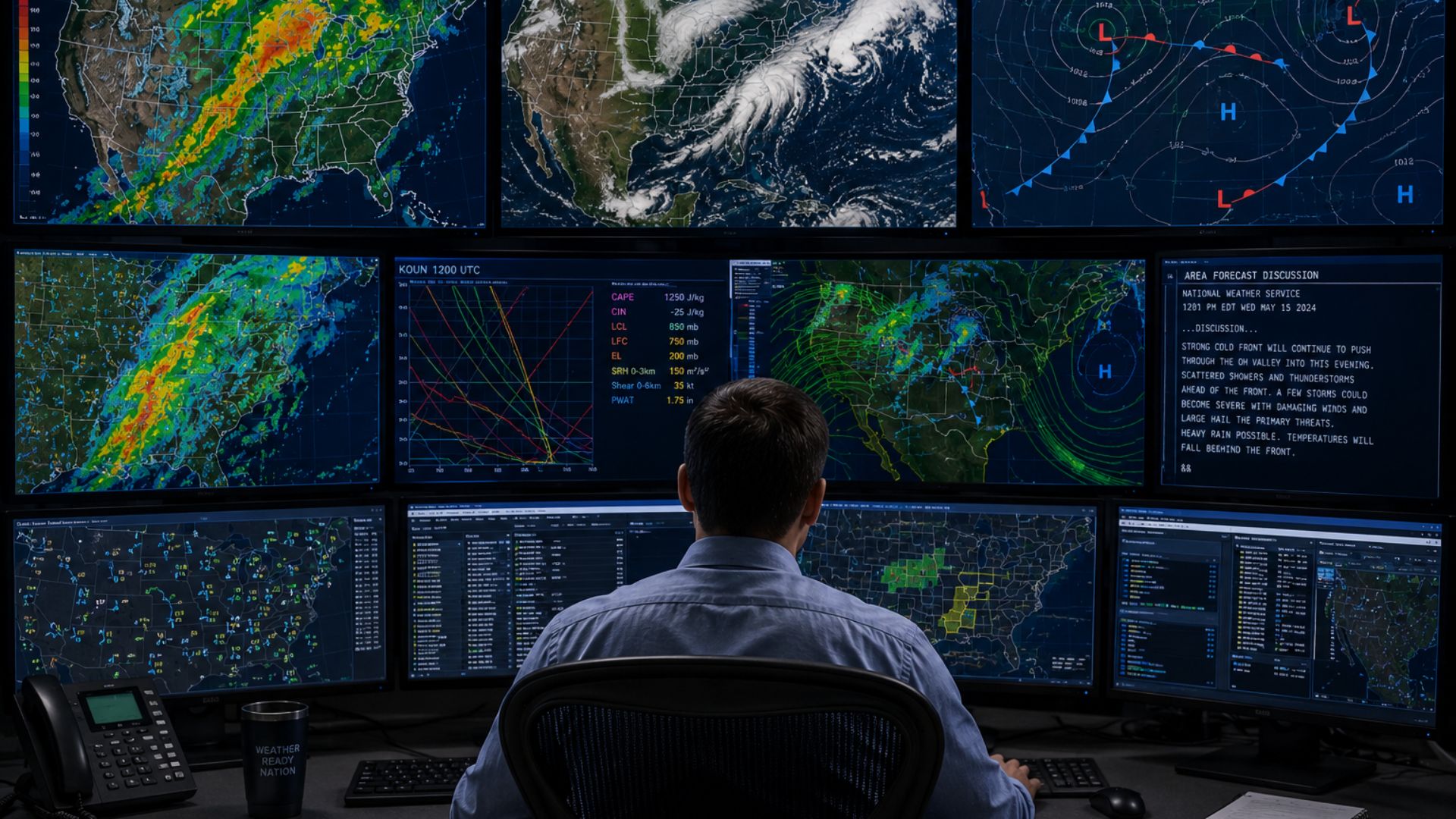
Meteorologists predict the weather by combining current atmospheric observations with computer models that forecast how temperature, pressure, wind, and precipitation will change.
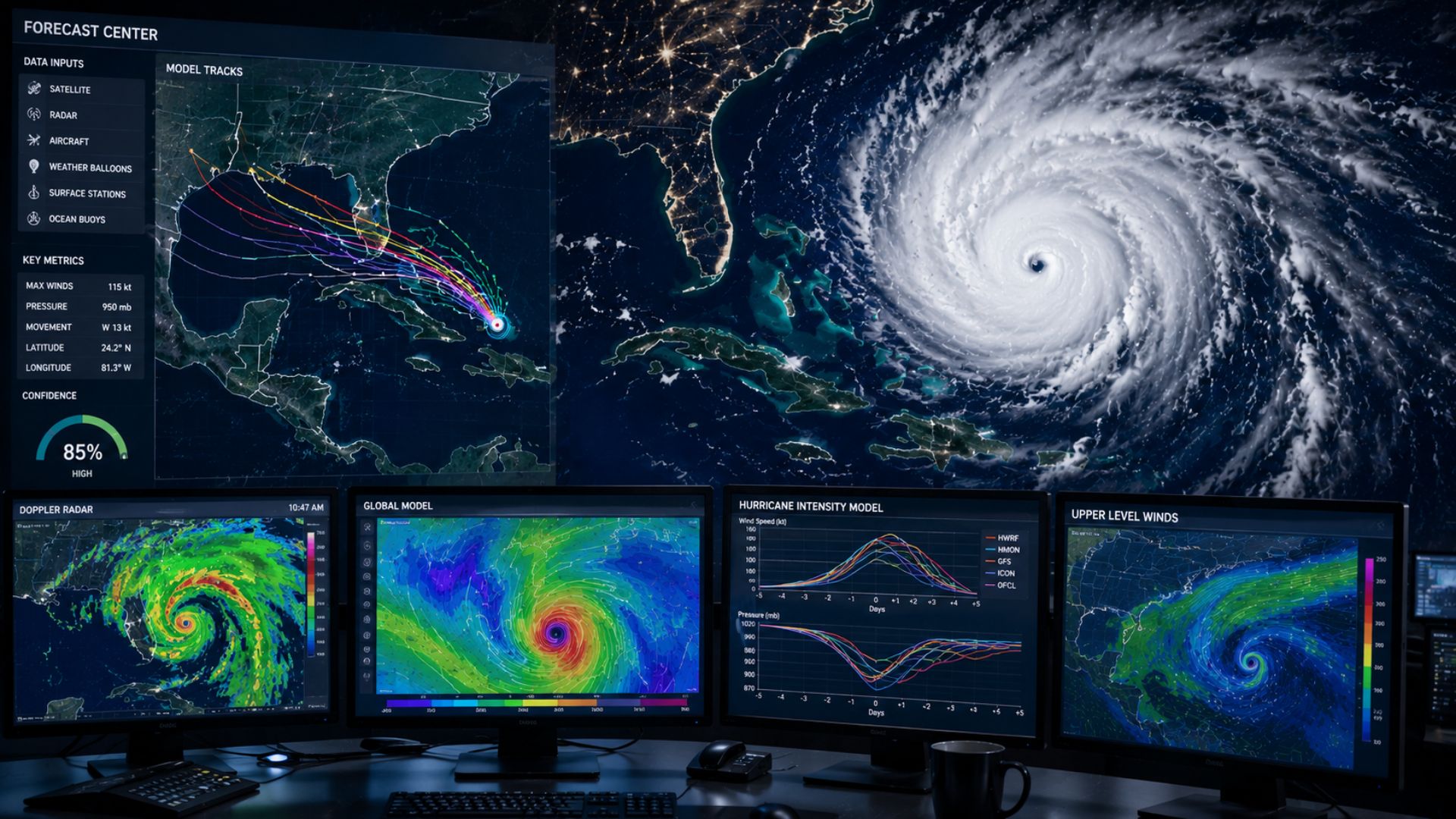
Meteorologists predict hurricanes by combining satellite, aircraft, radar, ocean, and atmospheric observations with computer models to forecast a storm’s track and intensity.

Meteorologists predict thunderstorms by looking for moisture, instability, and rising air while using weather models, radar, satellites, and atmospheric observations to track storm development.
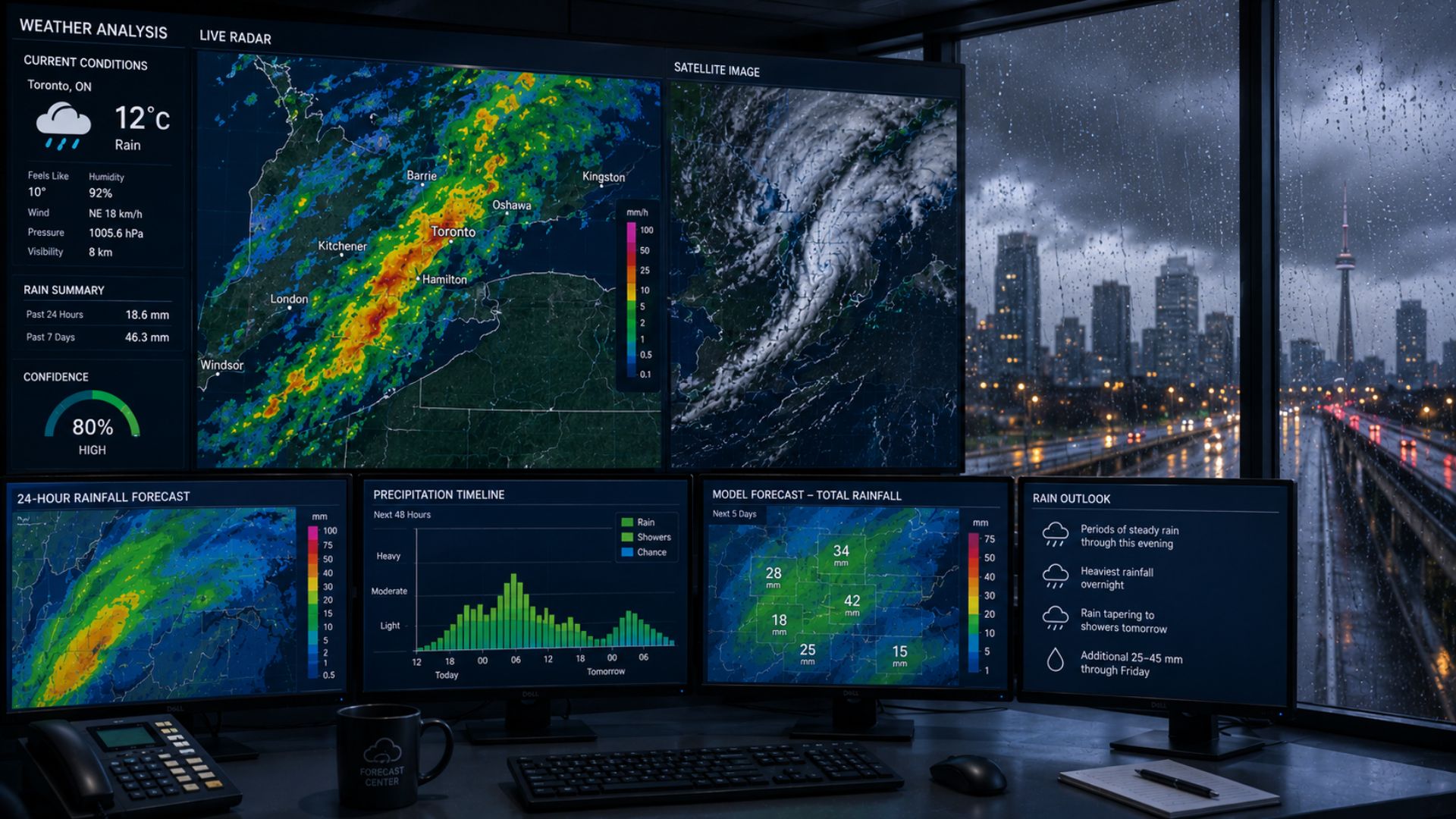
Meteorologists predict rain by analyzing atmospheric moisture, temperature, pressure, and rising air using weather models, radar, satellites, and surface observations.
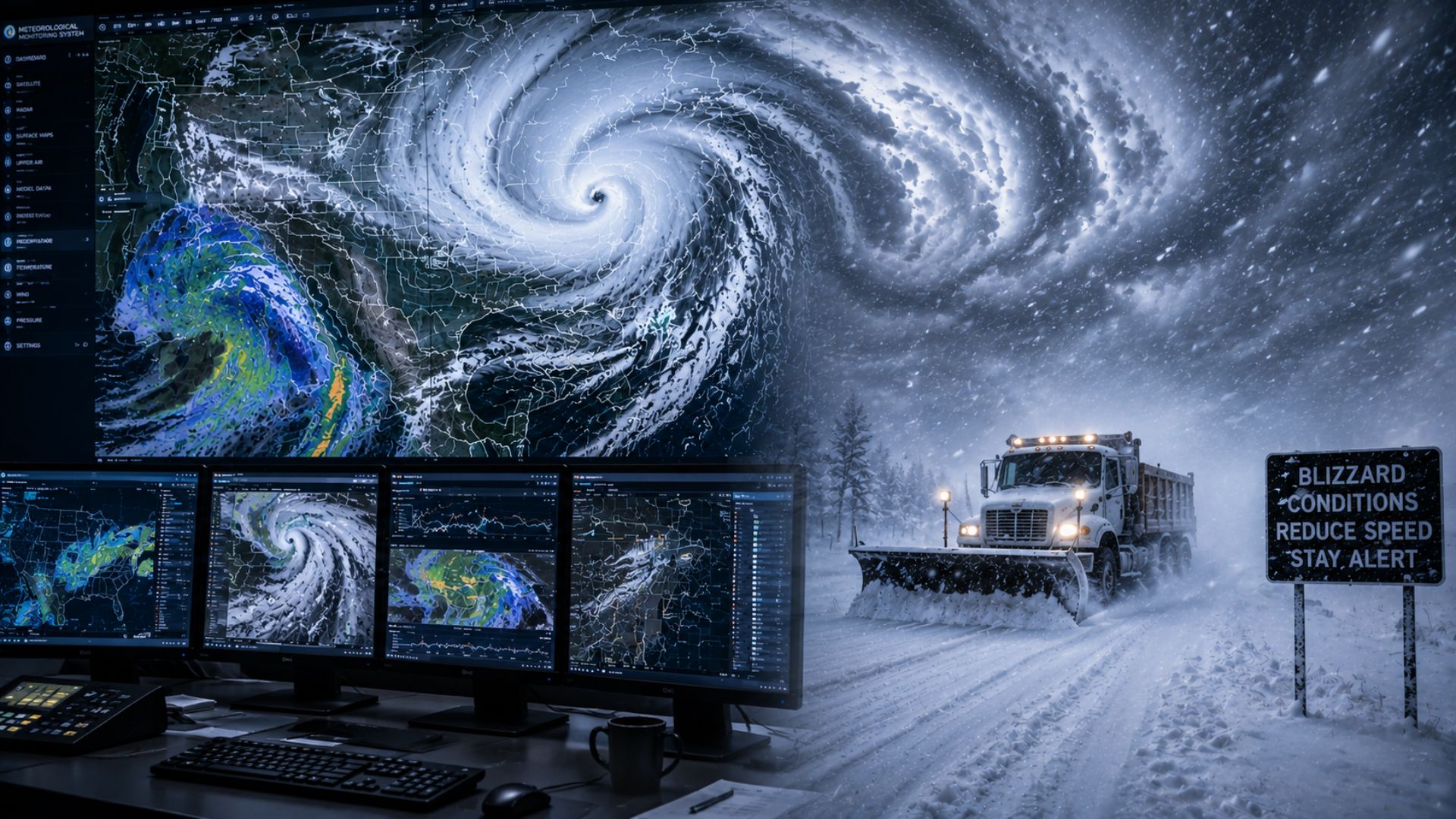
Meteorologists predict blizzards by analyzing snowfall, wind speeds, visibility, storm tracks, and atmospheric conditions using weather models, radar, satellites, and observations.