The Best Snowboards of 2027
We compare 10 standout options for Canadian shoppers, from versatile all-mountain boards to beginner-friendly and freeride models, highlighting the strengths and trade-offs that matter when choosing your next snowboard.

- Last updated:
Snowstorms is reader supported. When you buy through our links we may earn a commission. Learn more
A quick look at our top picks
Top pick details
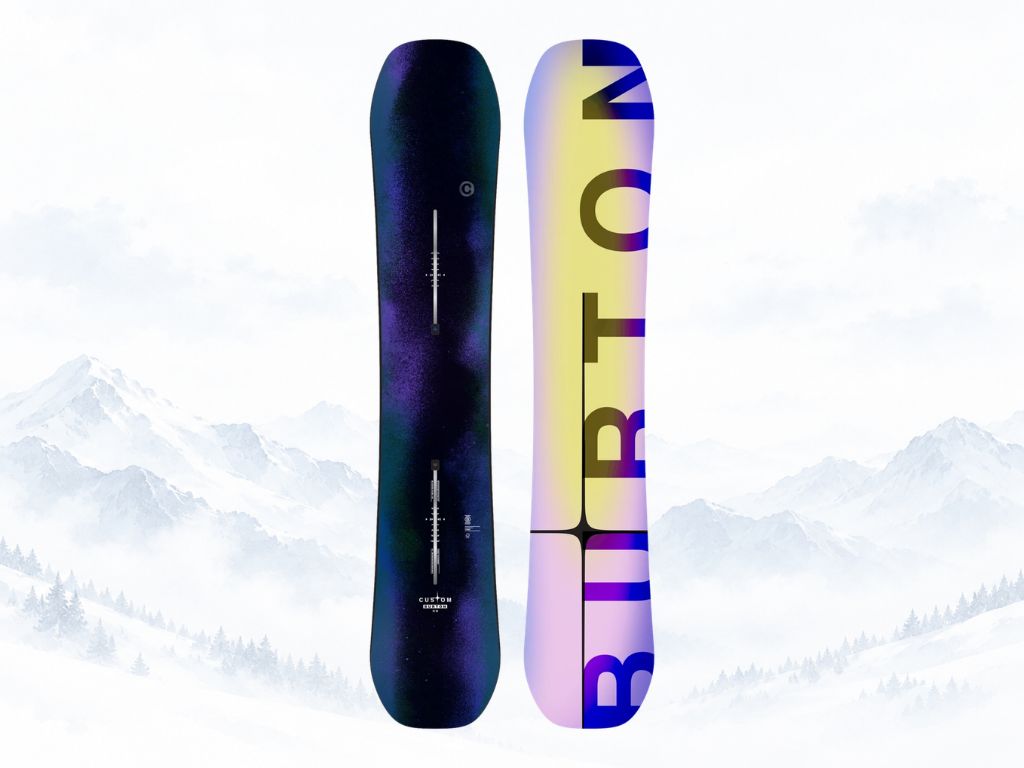
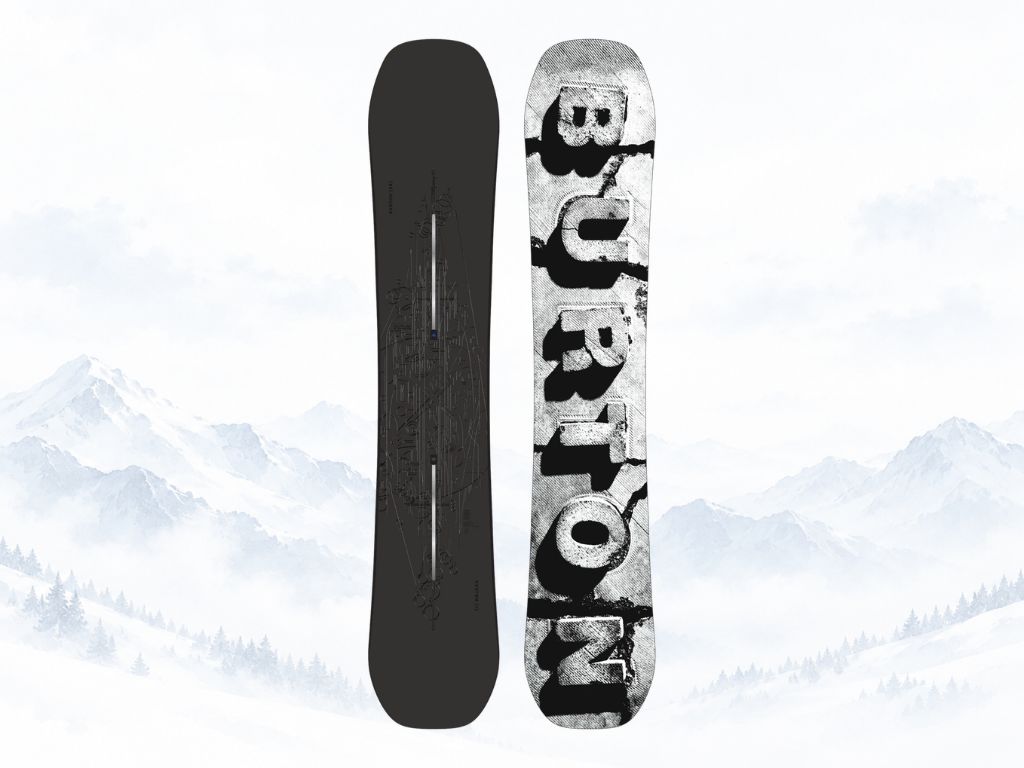
Burton Custom Camber Snowboard 2027
Pros & Cons
- Responsive traditional camber with strong carving potential
- Directional shape and twin flex offer broad resort versatility
- Lively pop for jumps, side hits and energetic turns
- Sintered WFO base and adjustable Channel mounting
- Traditional camber is less forgiving when learning
- Not as float-focused as dedicated powder boards
- Premium price for a general-purpose snowboard
Why we chose it
The Custom Camber earns our overall spot because it does a lot well without becoming overly specialized. Its directional shape helps when riding forward, while the symmetrical twin flex keeps switch turns and freestyle riding realistic. Traditional camber gives it the energy and precise edge response that confident riders tend to appreciate, and the Sintered WFO base is built for glide with proper maintenance. It’s not the easiest board here, and it isn’t our powder pick. But for someone who wants one responsive snowboard for groomers, carving, side hits and occasional park laps, its balance of performance and versatility makes a convincing case.
Who it's for
Who it’s for: Intermediate to expert riders who like traditional camber and want one lively snowboard for carving, groomers and occasional freestyle riding.
Who it’s not for: First-time snowboarders who need a forgiving platform, or riders who spend most of their days in deep powder. A more forgiving option may suit you better; compare the boards in our best snowboards for beginners guide.
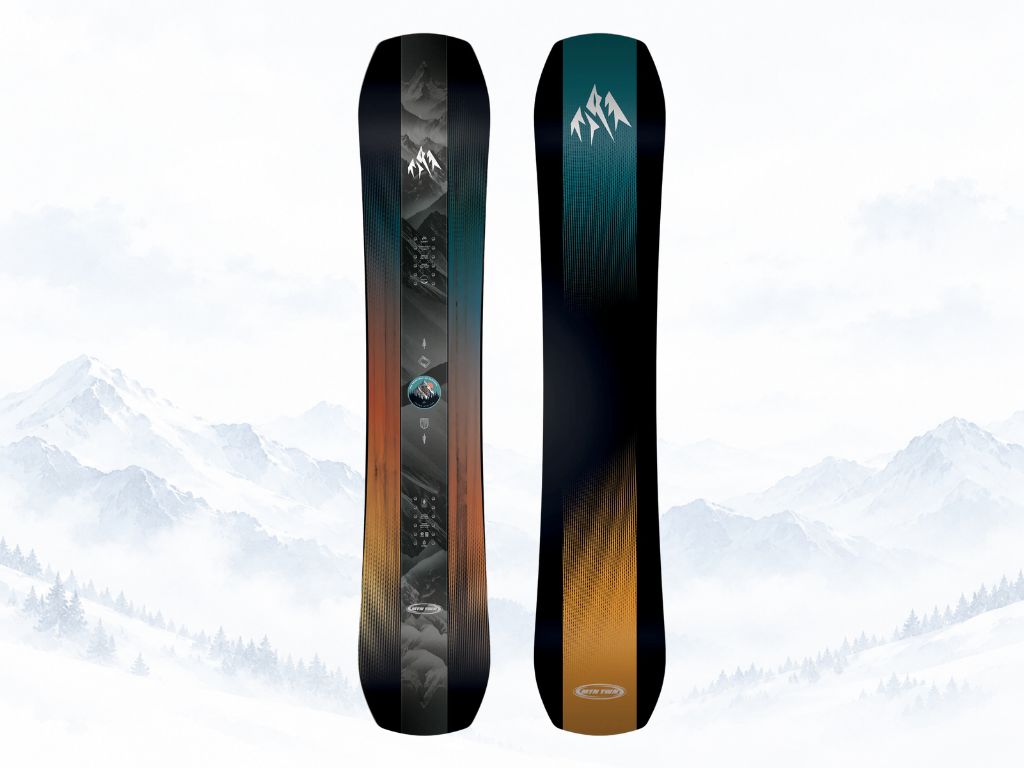
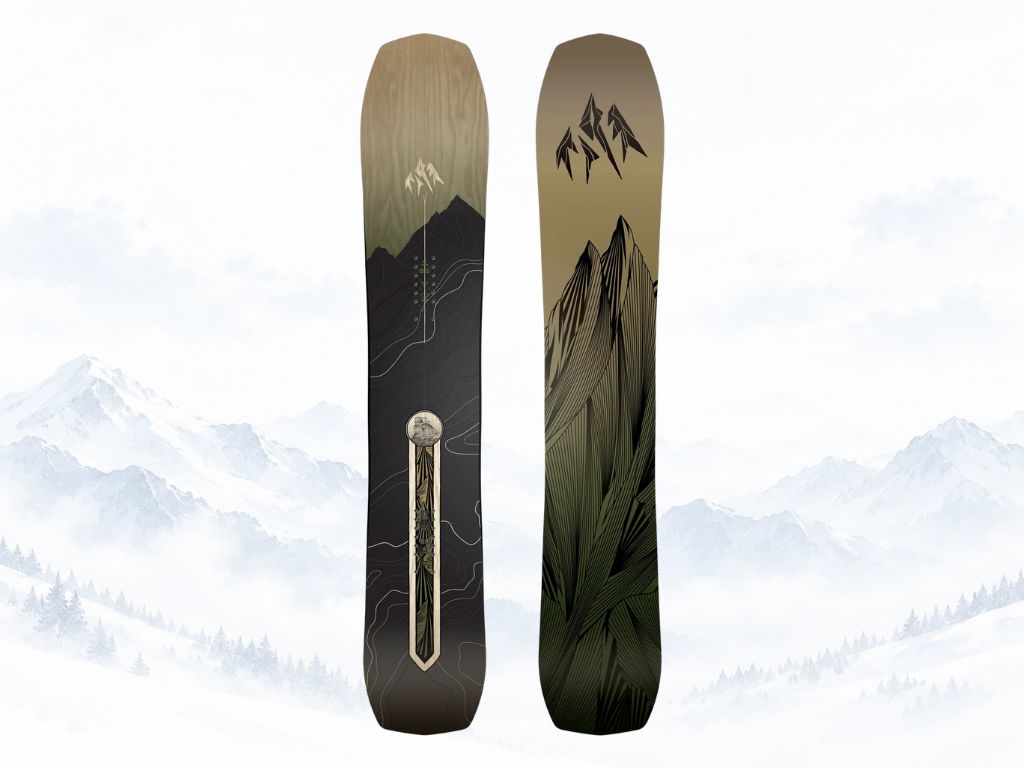
Jones Mountain Twin Snowboard 2027
Pros & Cons
- CamRock blends camber response with more forgiving rocker tips
- Directional twin shape works for resort riding and switch
- Medium 3D Contour Base helps smooth turn initiation
- Versatile medium flex suits mixed terrain and side hits
- Not as precise as stiffer full-camber carving boards
- Less flotation than a dedicated powder shape
- May feel too mellow for hard-charging experts
Why we chose it
The Mountain Twin is our all-mountain choice because its design makes sense for riders who enjoy a bit of everything. CamRock places camber between the bindings for response, with rocker toward the ends for easier turn initiation and a little more float. The directional twin shape stays friendly to switch riding, while Jones’s 3D Contour Base makes it more approachable when changing edges. Compared with the Burton Custom Camber, it’s the more relaxed option for a varied resort day. The trade-off is that riders who want the firmest carving feel or maximum powder float can find more specialized boards.
Who it's for
Who it’s for: Intermediate to advanced riders who split their time between groomers, natural features, occasional park laps and softer snow.
Who it’s not for: Riders looking exclusively for aggressive carving, race-like response or deep-powder performance. If steep lines and deep snow are your main priorities, check our best freeride snowboards guide.
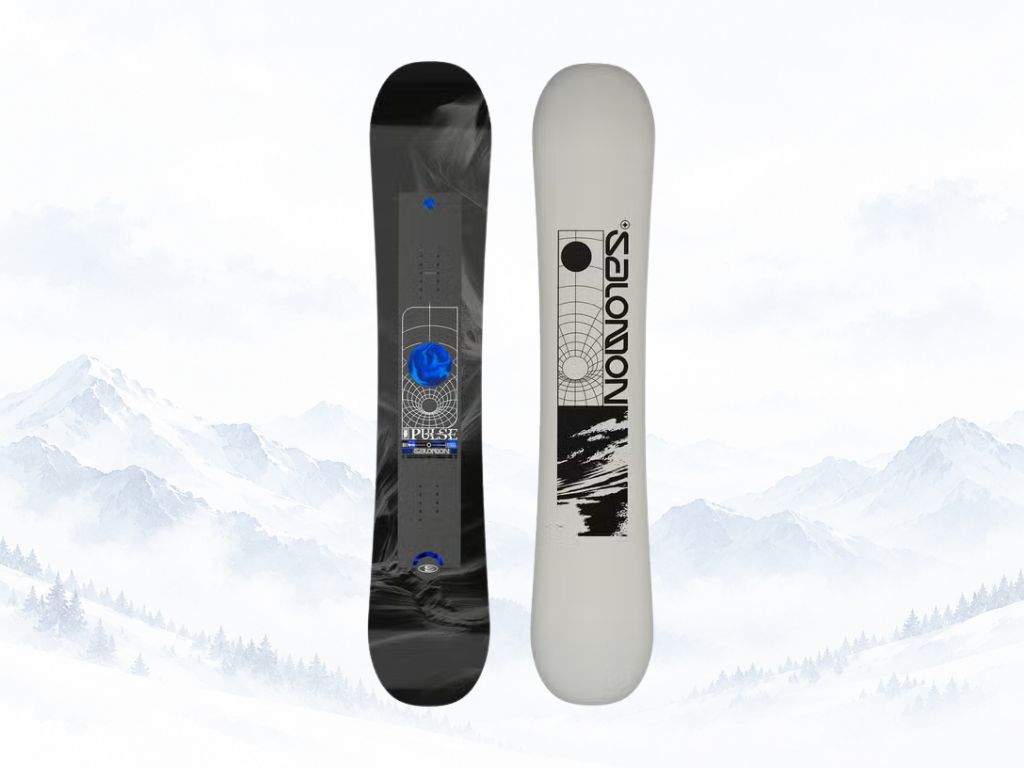
Salomon Pulse Snowboard 2027
Pros & Cons
- Soft flex makes steering and early progression manageable
- Flat Out Camber offers a stable, predictable platform
- Bite Free Edges reduce the tendency to catch an edge
- Low-maintenance extruded base keeps ownership straightforward
- Soft construction has limited support at higher speeds
- Detuned edges are less suited to aggressive icy carving
- Advanced riders may outgrow its forgiving character
Why we chose it
We chose the Pulse because learning snowboarding is easier when the board isn’t fighting every small mistake. Salomon pairs a soft flex with Flat Out Camber and Bite Free Edges, so new riders get a stable-feeling board without the grabby response of an aggressive camber model. The directional twin shape also leaves room for basic switch riding and beginner freestyle. Its extruded base is practical for a first setup. There’s a clear ceiling to its performance, particularly at speed or on firm snow, but those compromises are reasonable for someone focused on linking turns and building confidence.
Who it's for
Who it’s for: Beginners buying their first board, and casual riders who value easy turns and forgiveness over maximum speed.
Who it’s not for: Confident high-speed carvers, aggressive freeriders and experienced riders seeking a stiff, highly responsive board. If you want a stiffer, more responsive ride, see our best snowboards for advanced riders guide.
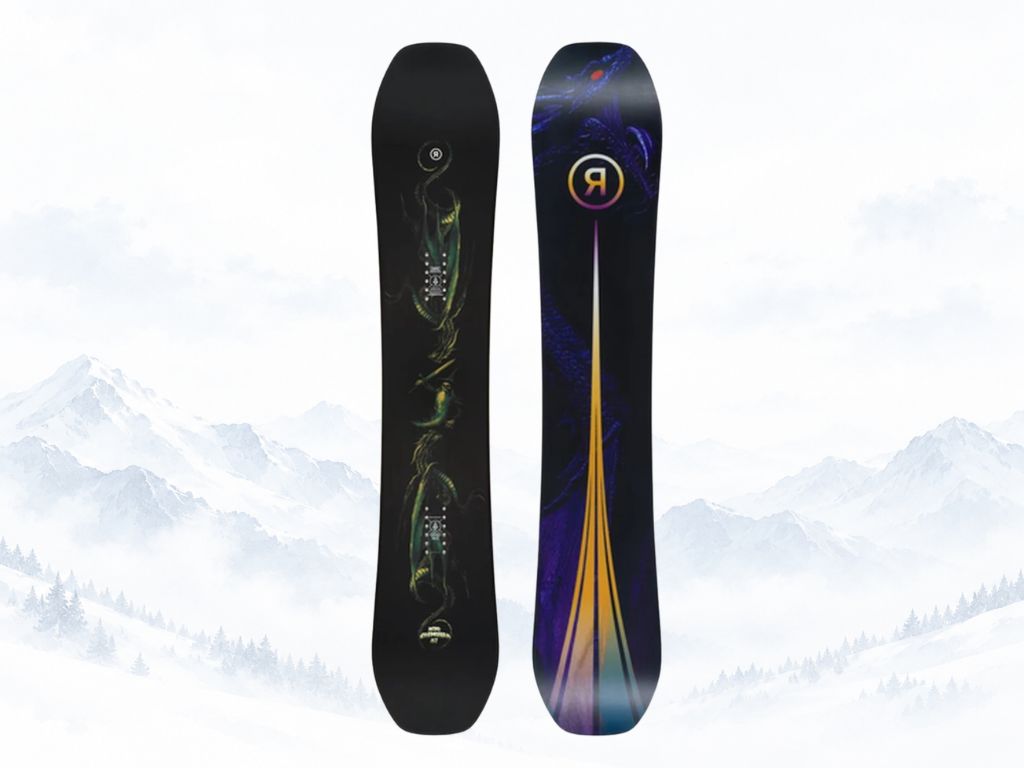
RIDE Shadowban Snowboard 2027
Pros & Cons
- Mellow Standard Camber balances response and forgiveness
- Directional twin shape suits both cruising and switch riding
- Carbon Array 3 adds pop without demanding a stiff flex
- Sintered base and Slimewalls support everyday resort use
- Not the most powerful choice for expert-level carving
- Soft-to-mellow response can feel loose at high speeds
- Less powder-specific than directional freeride boards
Why we chose it
The Shadowban is a good step up for riders who have learned the basics and want to explore more of the mountain. RIDE uses a relatively mellow Standard Camber profile, so it offers some spring and edge response without the demanding feel of a stiff expert board. A slightly set-back directional twin shape makes sense for groomers, switch turns and occasional park sessions. Carbon Array 3 and Slimewalls add worthwhile features, but the board still puts easy handling first. We like it for progression precisely because it doesn’t force riders into a highly specialized setup before they know what they enjoy most.
Who it's for
Who it’s for: Intermediate riders building confidence on varied resort terrain who want to start carving harder, hitting side features and riding switch.
Who it’s not for: Experts prioritizing maximum stability on very steep or fast terrain, or riders looking for a powder-dedicated shape. For a board built around deeper snow, browse our best powder snowboards guide.
Burton Custom X Camber Snowboard 2027
Pros & Cons
- Stiff, aggressive construction rewards precise technique
- Traditional camber delivers powerful edge response and pop
- Carbon-reinforced fiberglass adds a lively, energetic feel
- Sintered WFO base and Channel mounting are premium features
- Unforgiving when technique or balance is inconsistent
- Stiffness makes slow-speed play and presses less enjoyable
- High price and limited deep-powder specialization
Why we chose it
The Custom X is the specialist in this lineup for riders who want to push hard rather than cruise casually. Its traditional camber and stiff carbon-reinforced construction are designed for powerful turns, strong rebound and precise response. Burton also gives it twin flex, which adds versatility compared with a purely directional freeride board. There’s a reason we haven’t called it the best overall: plenty of riders would be happier on something easier to manage. But advanced riders who actively seek speed, edge engagement and a board that responds to deliberate inputs have a strong reason to choose the Custom X.
Who it's for
Who it’s for: Advanced and expert riders who prioritize high-speed groomer turns, powerful carving and a stiff, energetic ride.
Who it’s not for: Beginners, relaxed recreational riders, or anyone who wants a forgiving board for presses and playful low-speed riding. If you’re still learning, you’ll find more manageable choices in our best snowboards for beginners guide.
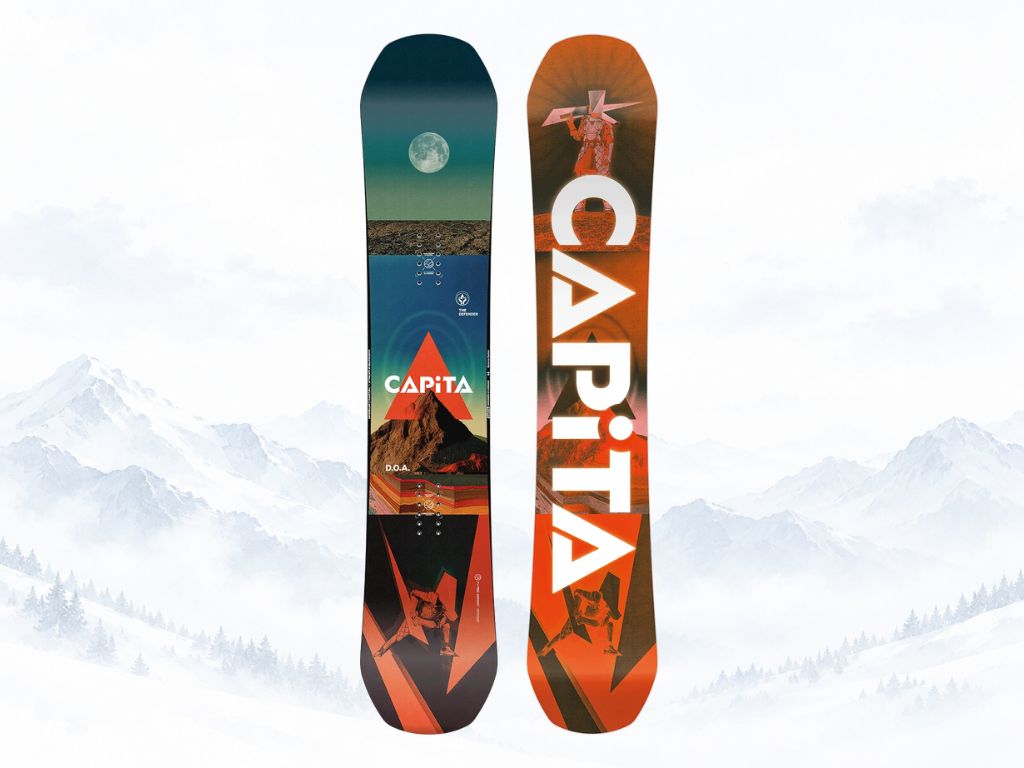
CAPiTA D.O.A. Snowboard 2027
Pros & Cons
- True twin shape suits switch riding and freestyle tricks
- Resort V1 hybrid camber offers energetic pop
- Medium flex balances jumps with all-mountain usefulness
- Lightweight P2 Superlight core and carbon boosters
- Not designed primarily for deep powder
- More responsive than very soft jib-focused boards
- Not as damp and stable as stiff freeride alternatives
Why we chose it
The D.O.A. gets our freestyle award because it offers a compelling mix of park-friendly geometry and real resort versatility. The true twin shape is a natural fit for riding switch, while CAPiTA’s Resort V1 profile combines camber-driven response with less abrupt contact at the tips. Its P2 Superlight core and carbon boosters are there to support snap and pop, which matter for ollies, side hits and jumps. It isn’t the softest rail board or the best option for a deep powder day. Instead, it makes sense for riders whose definition of freestyle includes both park laps and creative riding across the mountain.
Who it's for
Who it’s for: Intermediate to advanced riders who enjoy jumps, side hits, switch riding and freestyle-focused resort days.
Who it’s not for: Riders who mostly seek deep powder, or complete beginners who prefer a very soft, low-consequence board. If soft-snow float is the priority, explore our best powder snowboards guide.
Jones Flagship Snowboard 2027
Pros & Cons
- Directional tapered shape is built for technical descents
- Freeride CamRock improves float while retaining edge response
- Mid-stiff flex provides support in demanding terrain
- High Traction Tech helps with grip on firmer snow
- Less suited to switch riding and terrain-park laps
- Demanding for riders still learning fundamental turns
- More specialized and expensive than general all-mountain boards
Why we chose it
The Flagship earns the freeride spot because almost every major design choice points toward steep, variable terrain. Jones combines a directional, tapered shape with Freeride CamRock: camber underfoot for control and more rocker in the nose to help the board rise in soft snow. Its mid-stiff flex and edge technology also make sense for riders navigating firm sections and changing conditions. This is a much more deliberate freeride choice than a relaxed directional twin. It won’t be the most enjoyable board for rails or frequent switch riding, but those aren’t the priorities the Flagship is meant to serve.
Who it's for
Who it’s for: Confident riders who prioritize steep lines, variable snow, freeride terrain and powder over freestyle tricks.
Who it’s not for: Beginners and park-focused riders who want an easygoing twin for switch riding and presses. For switch riding, presses and park laps, compare our best park snowboards guide.
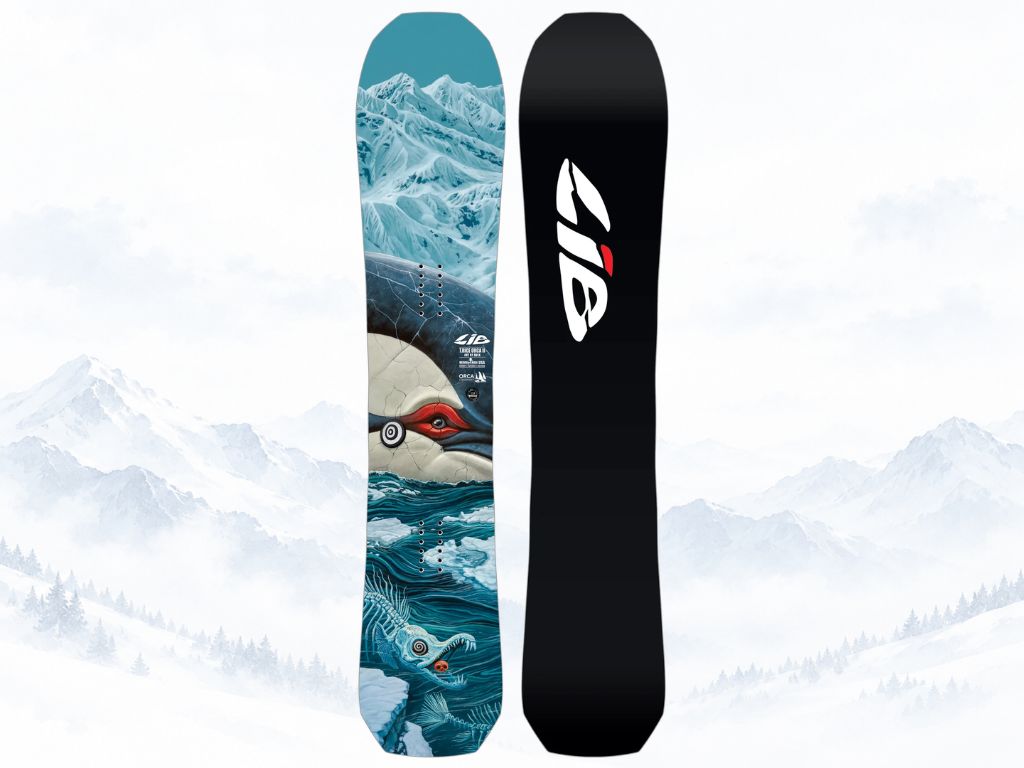
Lib Tech T. Rice Orca II Snowboard 2027
Pros & Cons
- Long, float-focused nose supports deep-snow riding
- Volume-shifted design offers quick handling in shorter lengths
- Wide platform helps with float and boot clearance
- Magne-Traction edges add grip for mixed resort conditions
- Unconventional sizing requires extra attention
- Directional shape is less natural for extended switch riding
- Not the first choice for rails or dedicated park sessions
Why we chose it
The Orca II stands out because it approaches powder riding differently from a conventional all-mountain twin. A float-focused nose, powerful shorter tail and wider, volume-shifted platform are intended to keep it manoeuvrable without sacrificing surface area. Lib Tech recommends sizing it several centimetres shorter than a traditional board, so choosing the correct length matters. Magne-Traction edges also give it a useful role when the powder is gone and the snow becomes firmer. We chose it as our powder pick for that distinctive combination of soft-snow design and resort practicality, not because it’s the most versatile freestyle board.
Who it's for
Who it’s for: Intermediate to expert riders who chase powder, ride trees and want a directional board that can still handle resort days.
Who it’s not for: Beginners choosing their first snowboard, or riders whose main priorities are rails, presses and frequent switch laps. If jumps and switch riding matter more than powder float, see our best freestyle snowboards guide.
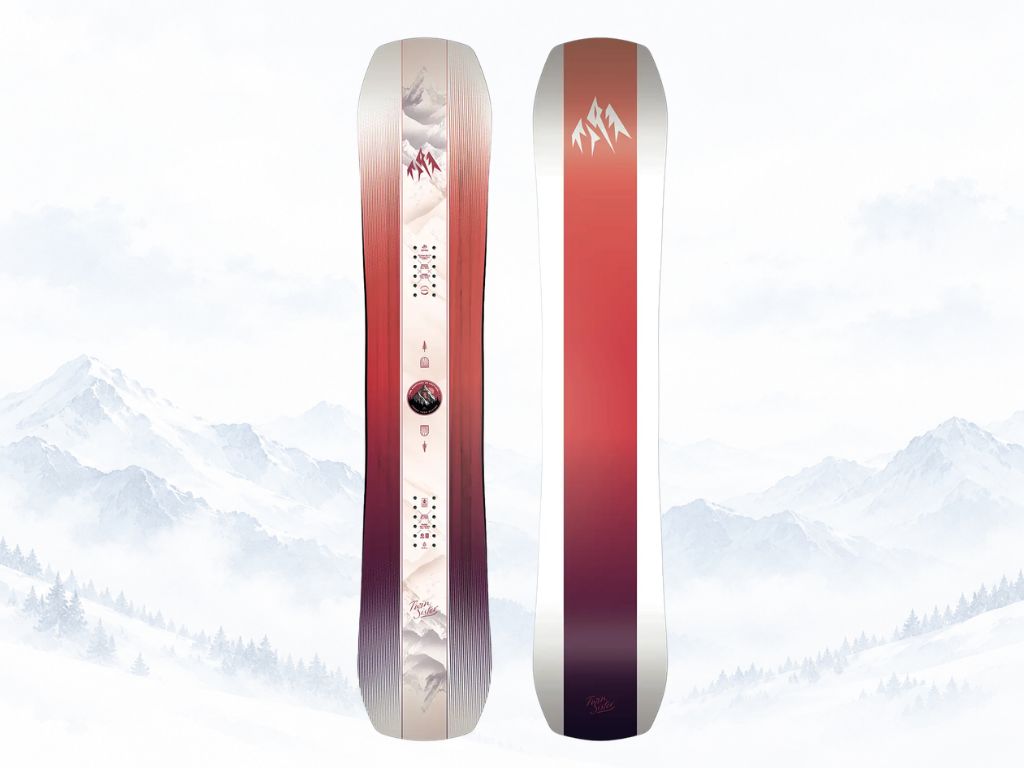
Jones Twin Sister Snowboard 2027
Pros & Cons
- Directional twin balances versatility and switch-friendly riding
- CamRock offers a blend of edge response and forgiveness
- Medium flex supports carving, side hits and resort cruising
- 3D Contour Base helps smooth transitions into turns
- Not as powerful as a stiff expert freeride board
- Less powder-specific than a dedicated directional shape
- May not satisfy riders who want a very soft jib board
Why we chose it
The Twin Sister is our women’s pick because it covers a wide range of resort riding without demanding a single style. Its directional twin shape, medium flex and CamRock profile combine familiar all-mountain control with enough give for side hits, switch turns and playful laps. Jones adds a 3D Contour Base to ease turn initiation, while its construction is more substantial than an entry-level board. We like that it gives progressing riders room to explore their preferences rather than locking them into park or freeride equipment. It isn’t a specialized powder shape or an especially stiff charger, and that’s part of its broad appeal.
Who it's for
Who it’s for: Intermediate to advanced riders seeking a women’s all-mountain board for groomers, side hits, carving and occasional powder.
Who it’s not for: Riders who want maximum stiffness for aggressive freeriding, or a very soft, dedicated rail board. For other women’s boards with different flex and terrain priorities, explore our best women’s snowboards guide.
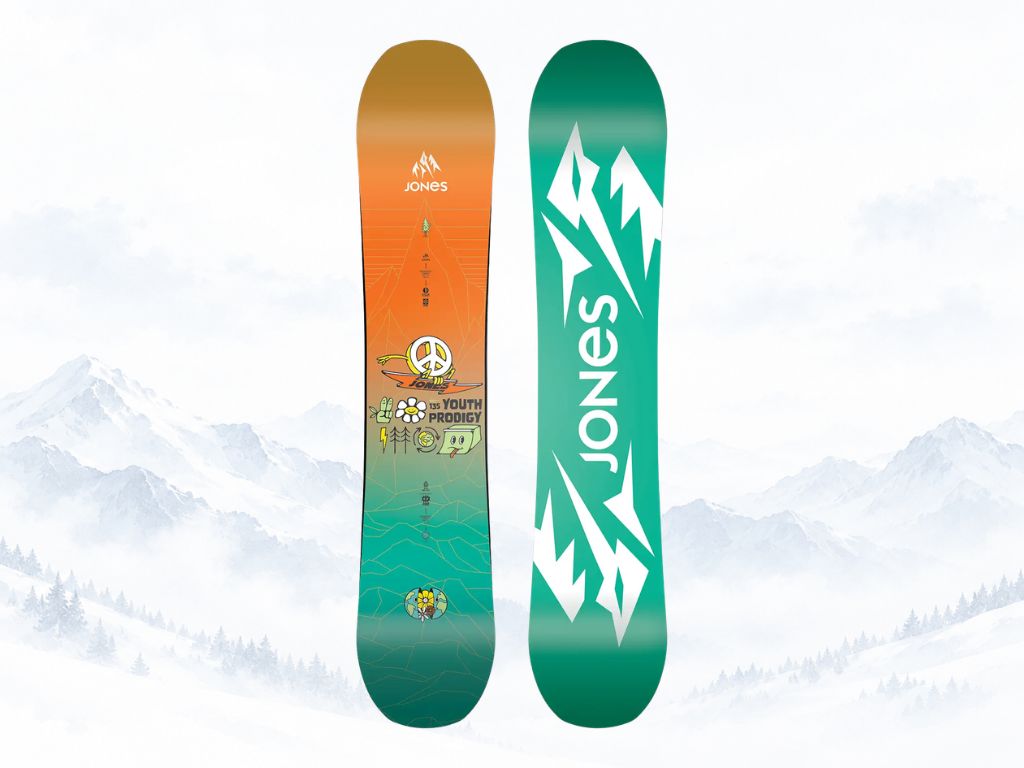
Jones Youth Prodigy Snowboard 2027
Pros & Cons
- Youth-specific sizes support smaller riders
- 3D Contour Base promotes easier turn initiation
- Progression-friendly design suits early resort skills
- Useful option for moving beyond basic first turns
- Limited fit for older or heavier riders outside its size range
- Not intended for aggressive adult-level freeriding
- Young riders may outgrow the board as skills and weight increase
Why we chose it
For younger riders, fit and predictable handling matter much more than flashy performance claims. The Youth Prodigy earns its place because Jones offers sizes for kids and uses a 3D Contour Base that is meant to make turning easier. Its all-mountain design gives progressing children room to learn on groomers and gradually try more terrain without jumping straight to a demanding board. That said, it’s important to choose the size using the child’s weight and ability, not just their age or height. The right fit will do more for learning than simply buying the most advanced youth board available.
Who it's for
Who it’s for: Children learning to link turns and progressing through groomed resort terrain with a properly sized youth snowboard.
Who it’s not for: Larger, heavier or highly advanced youth riders who need a more supportive junior performance board. For other youth sizes and progression-focused options, compare our best kids’ snowboards guide.
How to choose the right snowboard
Finding the right snowboard comes down to more than picking a brand or choosing a design you like. Your experience level, riding style, weight, and boot size all play a role in how a board will feel on the mountain.
Not every snowboard is designed for the same type of rider. Some are built to make learning easier, while others prioritize precision, stability, and performance at higher speeds.
Beginners: Look for a softer, forgiving snowboard that’s easier to turn and control. You don’t need an expensive, high-performance board to start learning.
Intermediate riders: A medium-flex snowboard can offer a good balance of responsiveness and versatility as you become more comfortable on different terrain.
Advanced riders: Stiffer, more responsive boards may be better suited to aggressive carving, higher speeds, and demanding conditions.
We generally recommend choosing a snowboard that matches your current abilities rather than buying something too advanced in the hope of growing into it.
Frequently asked questions
Is snowboarding harder than skiing?
Snowboarding can feel harder than skiing at first because both feet are attached to one board and you need to learn how to balance on your heel and toe edges. Skiing often feels more familiar during the first lesson, but that doesn’t mean it’s easier to master. Once snowboarders can link their turns consistently, progress can feel much quicker. Neither sport is automatically harder for everyone—it depends on your balance, confidence, instruction, and practice.
What size snowboard should I get?
Start with the manufacturer’s recommended weight range for the specific snowboard, then check that its width works with your boot size. Your height can help narrow things down, but it shouldn’t be the only measurement you use. Riding style matters, too: some riders prefer a shorter, more manoeuvrable board, while others want extra stability. Volume-shifted boards have different sizing recommendations, so always check the model’s size chart before buying.
How risky is snowboarding?
Like skiing, snowboarding comes with a risk of falls and injuries, especially while you’re learning. Wrist injuries, bruises, and head injuries are concerns, but you can reduce some of the risk by wearing a properly fitted snow-sports helmet, considering wrist guards, taking lessons, and staying on terrain that matches your ability. Keep your speed under control and follow the resort’s safety rules. No equipment or precaution makes snowboarding completely risk-free.
How long does it take to learn snowboarding?
Many beginners start learning how to stop, control their edges, and link basic turns over their first few lessons or days on snow. Feeling comfortable riding independently can take longer, and the timeline varies widely. Lessons, consistent practice, suitable beginner terrain, and well-fitted equipment all help. Focus on building control rather than reaching a particular milestone by a certain day—progress is different for everyone.
How much should I spend on my first snowboard?
For the snowboard alone, a budget of roughly $300–$600 CAD is a reasonable starting point for many beginners. You don’t need an expensive, stiff performance board to learn; a correctly sized, forgiving model is usually a better investment. Remember that boots, bindings, a helmet, and lessons add to the total cost. If you’ve never snowboarded before, renting for your first few sessions can help you decide what kind of setup you actually want.

About the author
Winter Equipment & Gear Review Team
Snowstorms is a Canadian resource dedicated to helping consumers find the right seasonal equipment and sporting gear. Through detailed product reviews, comparisons, and buying guides, Snowstorms helps readers make informed purchasing decisions and find equipment that suits their needs and budget.