The Best Women's Snowboards of 2027
Looking for your next snowboard? We’ve narrowed it down to three standout women’s snowboards for 2027, from affordable beginner-friendly options to versatile all-mountain boards and high-performance models built for experienced riders.

- Last updated:
Explore:
Snowboard Boots | Snowboard Bindings
Snowstorms is reader supported. When you buy through our links we may earn a commission. Learn more
A quick look at our top picks
We’ve selected three women’s snowboards that stand out for their versatility, features, and value. Whether you’re just getting started, looking for an everyday all-mountain board, or ready for something more advanced, here’s a quick look at our favourites for 2027.
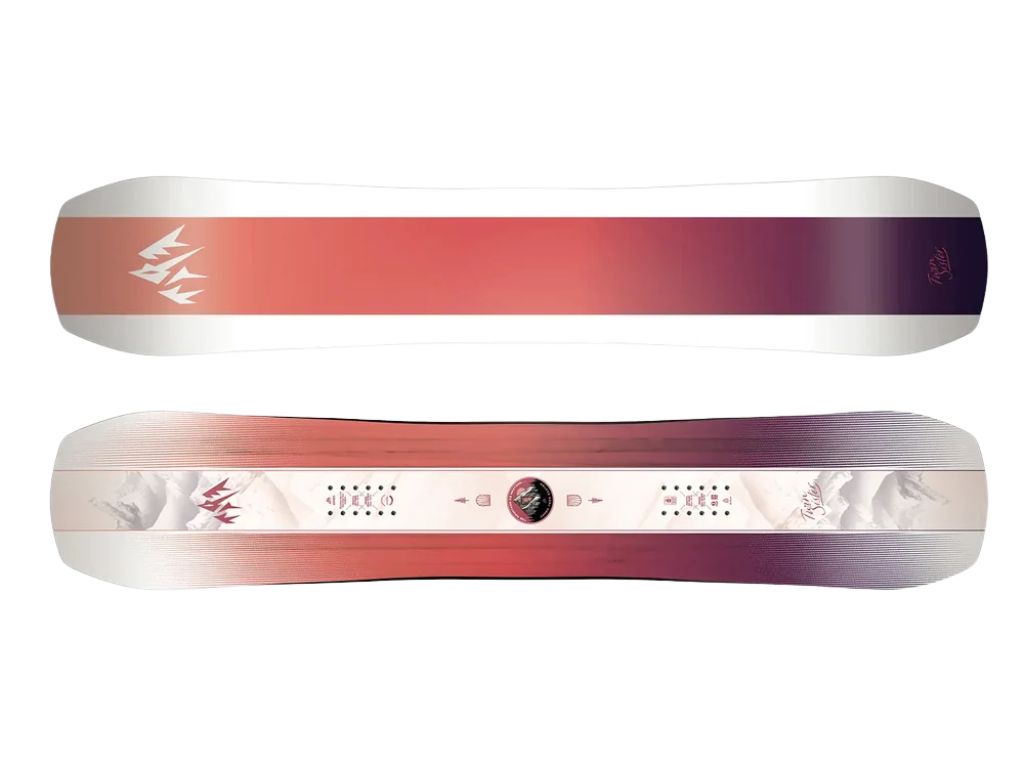
Jones Women’s Twin Sister Snowboard
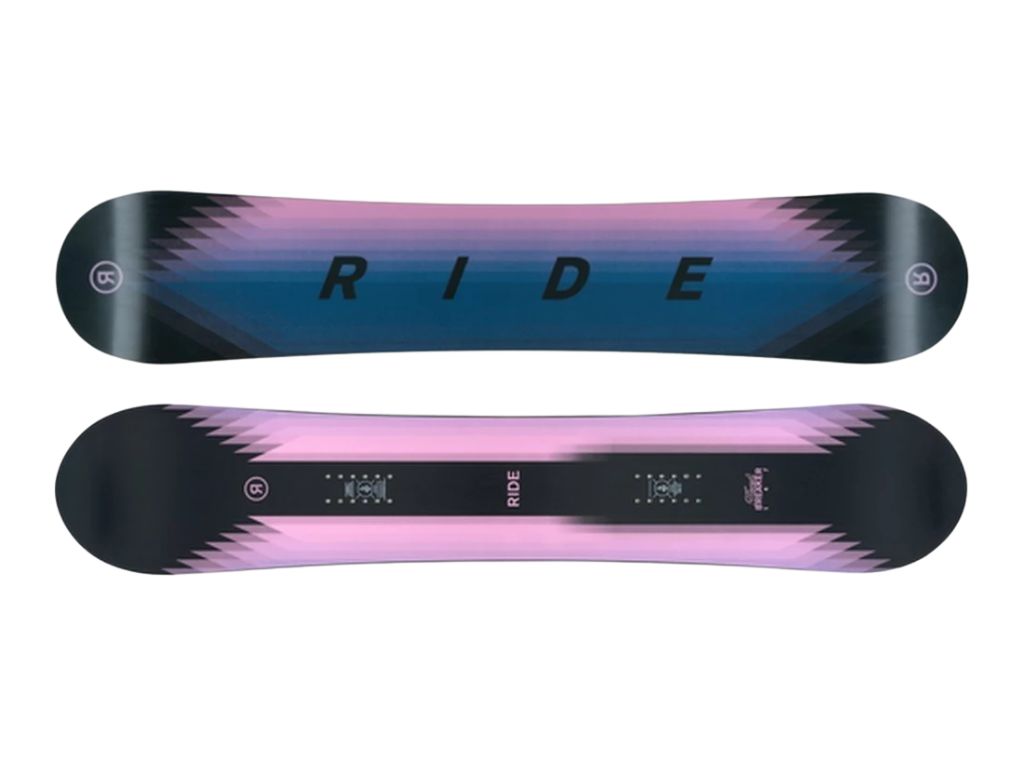
Ride Heartbreak Snowboard 2027
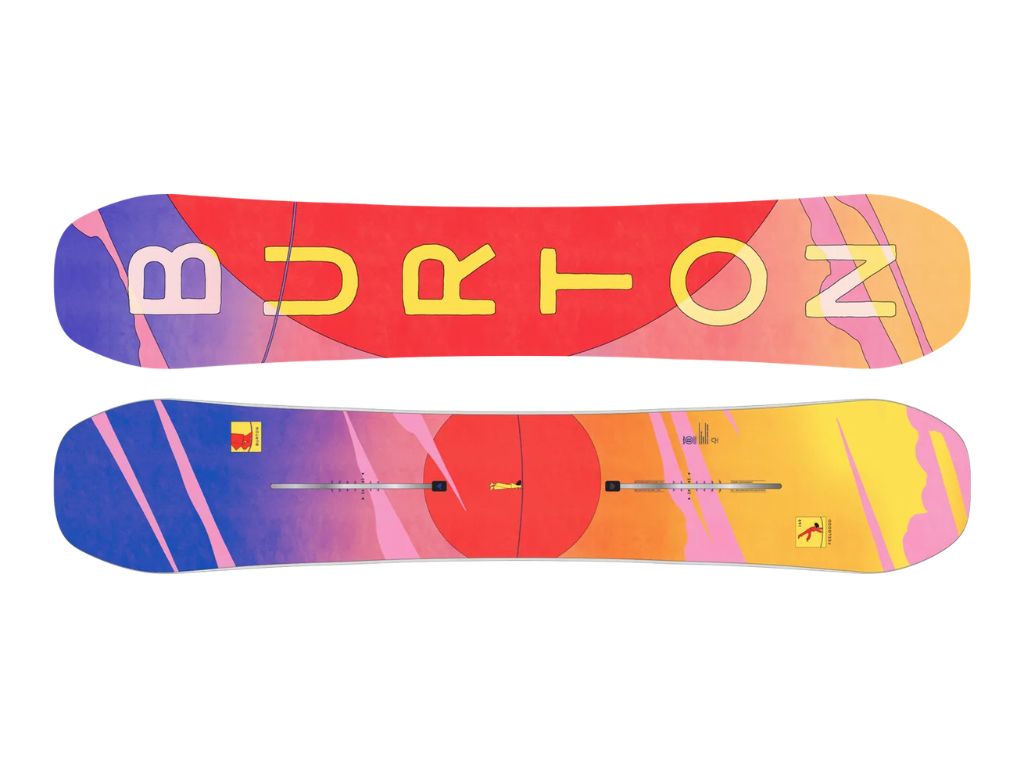
Burton Women’s FeelGood Camber 2027
Top pick details
Take a closer look at our top women’s snowboard picks for 2027.
We break down each board’s strengths, weaknesses, and standout features to help you find the right fit.
Jones Women's Twin Sister Snowboard
Pros & Cons
- Versatile directional twin shape works well across different terrain
- Medium flex balances responsiveness with a playful feel
- Traction Tech edges provide additional grip on firm and icy snow
- Sintered 8000 base offers excellent glide potential and durability
- More expensive than many beginner and mid-range snowboards
- Less specialized for aggressive carving than a dedicated freeride board
Why we chose it
We picked the Jones Twin Sister as our best overall women’s snowboard because it offers the versatility we think most riders are looking for. Whether you’re carving groomed runs, exploring different terrain, or getting into some occasional freestyle riding, the Twin Sister is designed to handle a little bit of everything.
What stands out to us is its CamRock profile and medium flex. The camber between the bindings provides responsiveness and edge control, while the rocker toward the nose and tail adds forgiveness and helps the board float in softer snow. We also like the directional twin shape, which makes it a practical choice for riders who enjoy both regular and switch riding.
Another feature we appreciate is Jones’ Traction Tech. The additional contact points along the edges are designed to improve grip on firm snow, something we think is particularly valuable for riders dealing with changing resort conditions.
It’s not the cheapest option, but we think its balanced design, quality construction, and versatility make it a worthwhile investment for someone who wants one snowboard for most of the mountain.
Who it's for
We recommend the Jones Twin Sister for intermediate to advanced snowboarders who want a versatile all-mountain board without committing to one specific riding style.
It’s particularly well suited to riders who enjoy carving groomers, exploring natural features, and occasionally riding through powder or hitting the terrain park.
If you’re looking for one quality snowboard to use throughout the season, the Twin Sister would be our first choice.
Ride Heartbreak Snowboard 2027
Pros & Cons
- Affordable compared with many other women's snowboards
- Soft flex makes it easier for beginners to control
- True twin shape makes riding switch and learning tricks easier
- Low-maintenance extruded base
- Soft construction isn't ideal for aggressive, high-speed riding
- More experienced riders may eventually want something more responsive
Why we chose it
We chose the RIDE Heartbreaker because we don’t think getting started with snowboarding should require spending hundreds more than necessary. For beginners and progressing riders, it offers a practical combination of affordability, forgiveness, and versatility.
One of the main reasons we like the Heartbreaker is its soft flex and Standard Camber profile. RIDE combines camber underfoot with rocker toward the tips, creating a board that’s designed to feel approachable without sacrificing all of its responsiveness.
We also appreciate its true twin shape. It’s a useful design for riders who want to practice riding switch, learn basic tricks, or eventually spend more time in the terrain park.
The Heartbreaker’s Slimewalls are another nice addition. These urethane sidewalls are designed to absorb impacts and reduce unwanted vibrations, which can help make the board feel smoother across uneven snow.
It doesn’t have the premium construction of more expensive models, but that’s part of its appeal. We think RIDE has focused on the features that matter most for newer riders rather than adding unnecessary performance upgrades.
Who it's for
We recommend the RIDE Heartbreaker for beginners, casual snowboarders, and progressing intermediate riders who want a forgiving board at a reasonable price.
It’s especially appealing to riders learning to link turns, building confidence on groomed runs, or getting started with basic freestyle tricks.
If you’re shopping for your first snowboard or upgrading from rental equipment, we think the Heartbreaker offers excellent value. However, more aggressive riders will likely prefer something stiffer and more responsive.
Burton Women's FeelGood Camber 2027
Pros & Cons
- Traditional camber provides strong edge control and responsive turning
- Women's-specific Triax fiberglass with Carbon I-Beam adds pop and responsiveness
- Lightweight Super Fly II 700G wood core
- Sintered WFO base offers excellent glide potential and durability
- The Channel mounting system allows precise stance adjustments
- Significantly more expensive than beginner-focused snowboards
- Less appealing for riders who prefer a very soft, playful snowboard
Why we chose it
We picked the Burton Feelgood Camber for experienced riders who want a snowboard that prioritizes control, responsiveness, and precision. While the Jones Twin Sister offers a more balanced approach to all-mountain riding, the Feelgood leans toward riders who enjoy carving confidently and making the most of their technique.
What impresses us most is the combination of traditional camber and Burton’s women’s-specific construction. The camber profile provides consistent edge engagement and pop, while the Triax fiberglass and Carbon I-Beam reinforcement are designed to deliver a responsive feel without unnecessary weight.
We also like the Super Fly II 700G core and Sintered WFO base. Together, these premium materials make sense on a snowboard intended for riders who appreciate a more energetic, performance-focused ride.
Another advantage is Burton’s Channel mounting system, which allows for precise stance adjustments and works with major binding brands. It’s a useful feature for riders who want more control over their setup.
The Feelgood isn’t the most forgiving snowboard on our list, and we wouldn’t recommend spending this much if you’re just learning. However, for confident riders who can take advantage of its construction, we think it’s a compelling premium option.
Who it's for
We recommend the Burton Feelgood Camber for confident intermediate to advanced snowboarders who prioritize carving, responsiveness, and control.
It’s particularly well suited to riders who enjoy higher-speed groomed runs, more technical terrain, and a snowboard that responds precisely to their movements.
If you’re still developing your basic turning skills or prefer a softer, more relaxed ride, we’d lean toward the RIDE Heartbreaker or Jones Twin Sister instead. But if you’re an experienced rider looking for a more performance-oriented snowboard, the Feelgood is our top recommendation.
How to Choose the Right Women's Snowboard
Finding the right snowboard isn’t just about choosing a popular brand or picking a design you like. Your weight, boot size, experience level, and riding style all influence how a snowboard will feel under your feet.
Women’s snowboards are often designed with narrower widths, adjusted flex patterns, and sizing options suited to smaller riders. However, not every woman needs a women’s-specific snowboard, and the best choice ultimately comes down to finding a board that fits your body and how you like to ride.
Whether you’re buying your first snowboard or upgrading your current setup, here are the most important things we recommend considering.
Choose a Snowboard That Matches Your Experience Level
One of the first things we’d look at is the snowboard’s intended skill level. A board that’s too stiff or demanding can make learning more difficult, while something overly soft might feel limiting as your skills improve.
Beginners: Look for a softer, forgiving snowboard that’s easy to maneuver and designed to help you build confidence.
Intermediate Riders: A medium-flex snowboard generally provides a good balance of control, stability, and versatility.
Advanced Riders: More responsive boards with medium-stiff to stiff construction can offer greater precision for carving, speed, and technical terrain.
For example, the RIDE Heartbreaker is a good starting point for newer riders, while the Jones Twin Sister offers greater versatility for progressing snowboarders. The Burton Feelgood Camber is better suited to confident riders who appreciate a more responsive board.
Pay Attention to Snowboard Width
One of the main differences between many women’s and men’s snowboards is their width.
Women’s-specific snowboards often have narrower waist widths to better accommodate smaller boot sizes. This can help riders move the board from edge to edge without needing excessive effort.
However, a snowboard that’s too narrow can create problems of its own, particularly if your boots extend too far over the edges.
We recommend checking the following:
Your snowboard boot size
The board’s waist width
The width of the snowboard under your bindings
Your preferred stance angles and riding style
Women with larger feet may find that certain men’s or unisex snowboards provide a better fit. Likewise, some smaller riders may benefit from the dimensions of a women’s-specific model.
Understand Camber, Rocker, and Hybrid Profiles
A snowboard’s profile describes how it curves from nose to tail when viewed from the side. Different profiles influence edge control, maneuverability, flotation, and overall responsiveness.
Traditional Camber: Traditional camber creates an upward arch between the contact points. It generally offers strong edge engagement, stability, and pop, making it popular among riders who enjoy carving and more responsive snowboards.
Rocker: Rocker curves upward toward the nose and tail, often giving the board a more forgiving feel and improving flotation in softer snow. Rockered designs can be particularly appealing to beginners and riders who prioritize easy maneuverability.
Flat: A flat profile provides a relatively stable platform with predictable handling. It’s commonly found on beginner-friendly snowboards and designs that prioritize straightforward control.
Hybrid: Hybrid profiles combine camber, rocker, or flat sections to balance different riding characteristics.
We particularly like hybrid profiles for all-mountain riding because they can combine the responsiveness of camber with some of the forgiveness and flotation associated with rocker.
Get the Right Snowboard Size
Sizing is one of the most important parts of choosing a snowboard, and it’s also one of the easiest things to get wrong.
You may have heard that your snowboard should reach somewhere between your chin and nose when standing upright. While height can be a useful reference, we’d recommend focusing primarily on your weight and boot size.
Here’s what matters most:
Rider Weight: Check the manufacturer’s recommended weight range for each snowboard length.
Boot Size: Make sure the snowboard is wide enough to accommodate your boots without excessive toe or heel overhang.
Board Length: A shorter board within your recommended range may feel more maneuverable, while a longer board can offer additional stability and flotation.
Riding Style: Freestyle riders may prefer a more maneuverable setup, while riders focused on speed or powder may benefit from additional length.
Find the Right Flex for Your Riding Style
Flex describes how stiff or flexible a snowboard feels. It plays a major role in how easily the board turns, absorbs uneven terrain, and responds to your movements.
Most manufacturers rate snowboard flex on a scale from 1 to 10, although these ratings aren’t standardized across brands.
| Flex Rating | Best For |
|---|---|
| Soft (1–3) | Beginners, playful riding, and freestyle |
| Medium (4–6) | Everyday all-mountain riding |
| Stiff (7–10) | Aggressive carving, higher speeds, and technical terrain |
For most recreational snowboarders, we think a medium flex offers the best balance between control and forgiveness.
If you’re new to snowboarding, a softer board may make learning more approachable. More experienced riders who prefer speed and precise turns may appreciate something stiffer.
Choose a Shape That Suits Your Riding Style
Snowboard shape influences how a board handles different terrain, turns, and riding directions.
There are three main shapes worth understanding.
True Twin: A symmetrical shape that’s ideal for riders who enjoy freestyle, riding switch, and spending time in the terrain park.
Directional Twin: Combines twin-inspired versatility with subtle directional characteristics, making it a popular choice for all-mountain riding.
Directional: Designed primarily for riding forward, often with features that improve carving, stability, and powder flotation.
For most women looking for one snowboard to use throughout the season, we’d generally recommend considering a directional twin.
It’s versatile enough for groomed runs, side hits, occasional powder, and freestyle riding without being overly specialized.
However, if you rarely ride switch and prefer carving or exploring ungroomed terrain, a directional snowboard may be the better choice.
Snowboard FAQS
What is the best women's snowboard for 2027?
We recommend the Jones Twin Sister as our best overall women’s snowboard for 2027. Its medium flex, directional twin shape, and CamRock profile offer a great balance of versatility, control, and responsiveness. It’s a strong choice for intermediate to advanced riders who want one board for most mountain conditions. For beginners on a budget, we’d recommend the RIDE Heartbreaker.
What's the difference between men's and women's snowboards?
Women’s snowboards are often designed with narrower waist widths, adjusted flex patterns, and shorter available lengths to accommodate a range of rider sizes. However, these differences vary by manufacturer, and women don’t necessarily need a women’s-specific board. We recommend choosing based on your weight, boot size, experience level, and riding style rather than the gender label.
What size snowboard should a woman get?
The right snowboard size depends primarily on your weight, boot size, and riding style rather than your height alone. We recommend starting with the manufacturer’s sizing chart and choosing a length that falls within your recommended weight range. Shorter boards may feel easier to maneuver, while longer boards often provide more stability. Make sure the width also accommodates your boots without excessive overhang.

About the author
Winter Equipment & Gear Review Team
Snowstorms is a Canadian resource dedicated to helping consumers find the right seasonal equipment and sporting gear. Through detailed product reviews, comparisons, and buying guides, Snowstorms helps readers make informed purchasing decisions and find equipment that suits their needs and budget.