The Best Snowboards for Beginners of 2027
Getting started with snowboarding is easier when you have the right equipment. We’ve rounded up four beginner-friendly snowboards that balance control, forgiveness, and value, helping you build confidence on the slopes without overspending.

- Last updated:
Snowstorms is reader supported. When you buy through our links we may earn a commission. Learn more
A quick look at our top picks
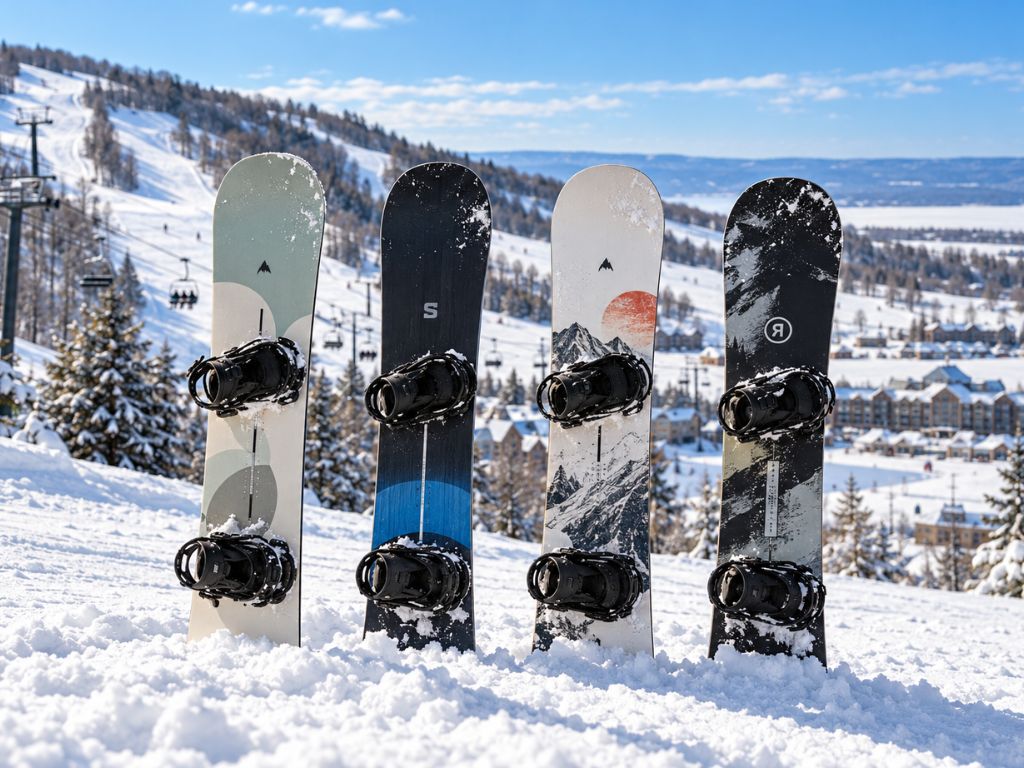
We’ve narrowed it down to four beginner-friendly snowboards that stand out for their ease of use, forgiving designs, and overall value. Whether you’re stepping onto a snowboard for the first time or looking for something to build your confidence, here’s a quick look at our top picks for 2027.
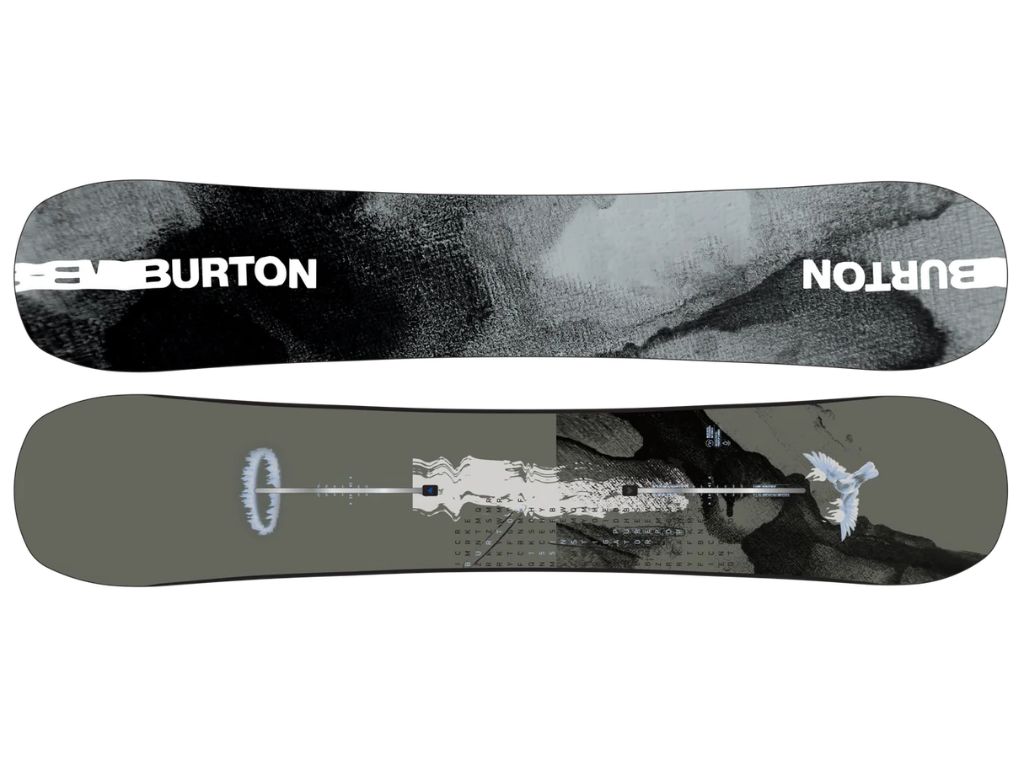
Burton Instigator PurePop Camber Snowboard 2027
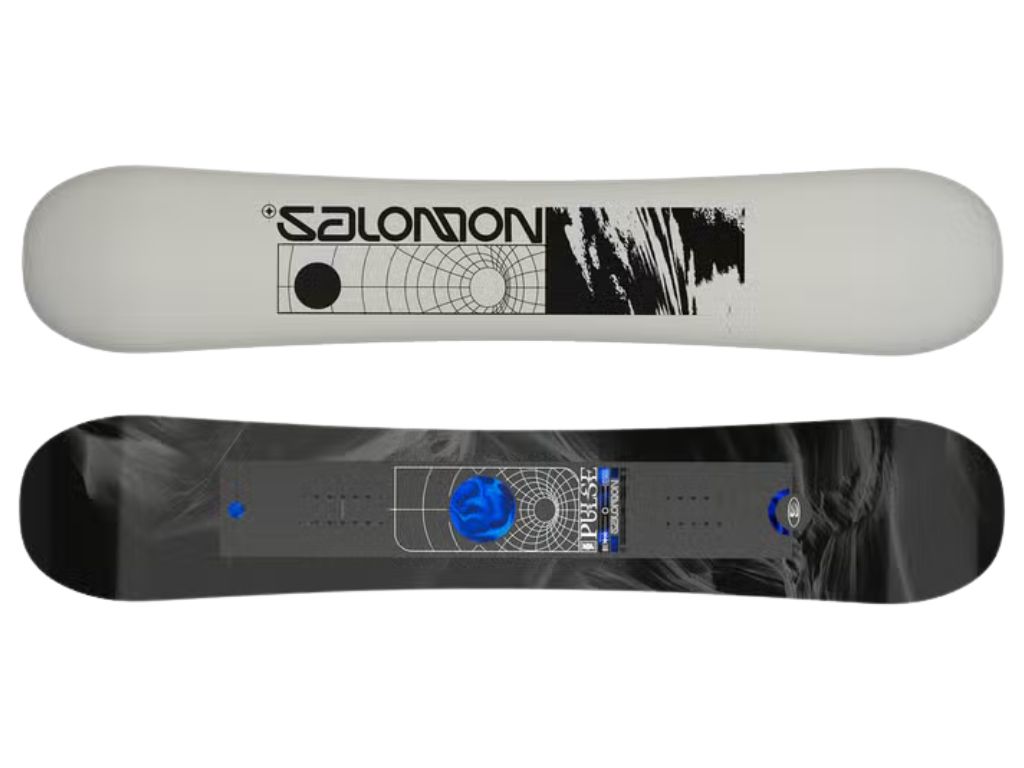
Salomon Pulse
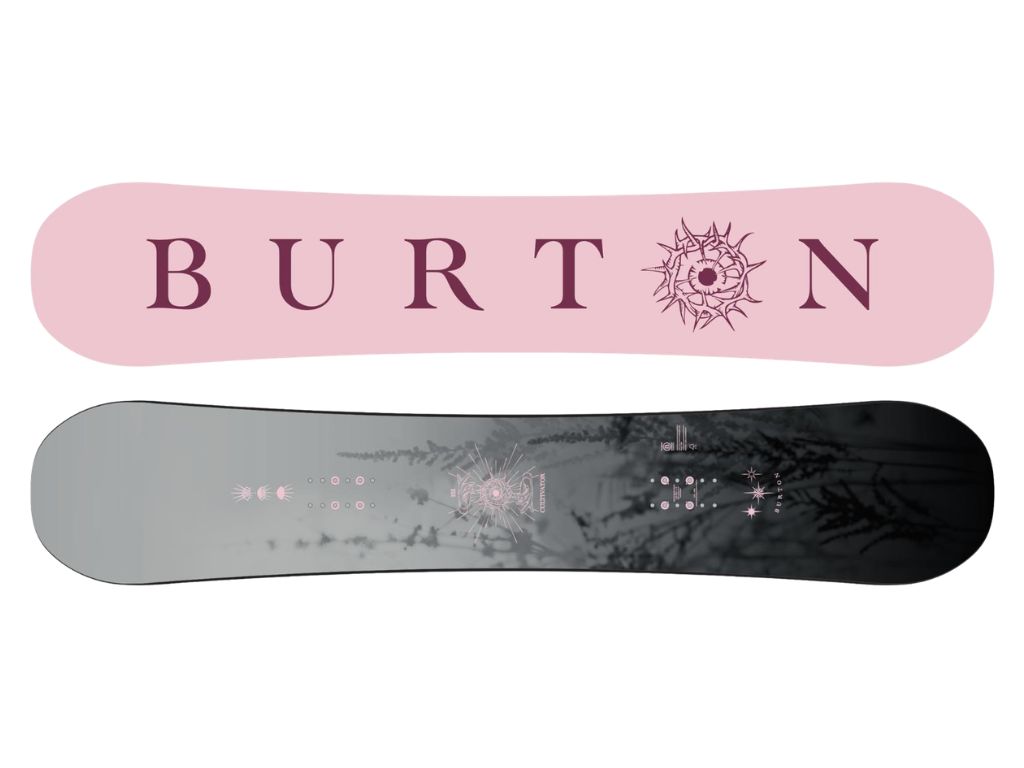
Burton Cultivator Flat Top Snowboard 2027
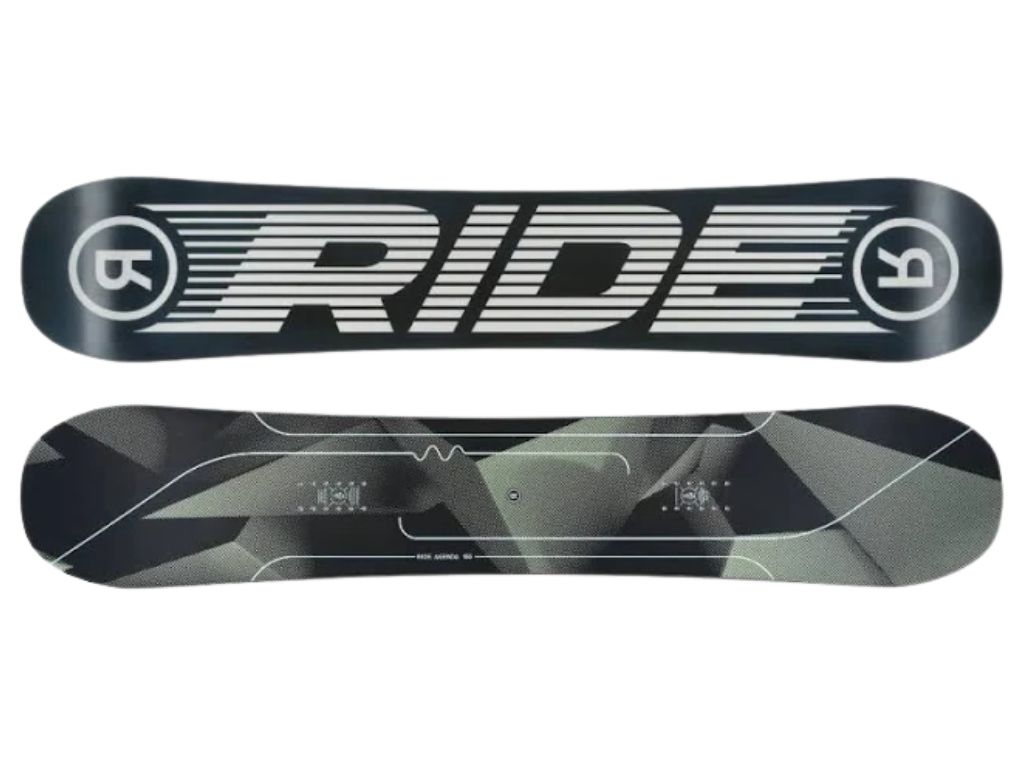
Ride Agenda Snowboard 2027
Top pick details
We’ve selected four of the best beginner snowboards for 2027, including options from Burton, Salomon, and RIDE.
We compare their flex, profiles, construction, and overall value to help you choose a board that makes learning easier and gives you room to improve.
Burton Instigator PurePop Camber Snowboard 2027
Pros & Cons
- Directional shape with twin flex offers versatility as skills improve
- Soft, forgiving flex makes learning turns easier
- Low-maintenance extruded base
- Burton's Channel mounting system works with major binding brands
- More expensive than many beginner-focused snowboards
- Limited appeal for experienced riders looking for maximum responsiveness
Why we chose it
We rate the Burton Instigator highly for its beginner-friendly construction, forgiving flex, and versatility. Its PurePop Camber profile provides a good combination of playfulness and responsiveness, giving newer riders room to progress. The higher price keeps it from earning a perfect score.
We chose the Burton Instigator PurePop Camber because it offers something we really look for in a beginner snowboard: an approachable design that still leaves room to improve.
Its soft flex and directional shape should make those early days on the mountain a little less intimidating, while the PurePop Camber profile adds enough response to keep things interesting as your confidence grows. We also like the twin flex, which makes the board more versatile than you might expect from something designed primarily for beginners.
It’s not the cheapest option on our list, but we think the combination of beginner-friendly features, versatility, and Burton’s established construction makes it worth considering.
Who it's for
We recommend the Instigator for new snowboarders who want to invest in a quality first board rather than choosing the cheapest option available. It’s especially appealing to riders planning to spend most of their time on groomed resort runs while gradually developing their turning, carving, and basic freestyle skills.
Salomon Pulse
Pros & Cons
- Affordable price compared with many competing snowboards
- Soft flex makes it easier for beginners to control
- Bite Free Edges help reduce unwanted edge catches
- Low-maintenance extruded base
- Basic construction lacks some higher-end performance features
- Not our first choice for riders prioritizing speed and powerful carving
Why we chose it
The Salomon Pulse earns a strong rating for its affordability and approachable design. Its soft flex, Flat Out Camber, and Bite Free Edges make it an appealing starting point for newer snowboarders. However, its basic construction and limited high-speed performance hold it back slightly.
We picked the Salomon Pulse because we don’t think beginners should have to spend a fortune on their first snowboard.
What stands out to us is how Salomon has focused on making the Pulse approachable. The soft flex, Flat Out Camber profile, and Bite Free Edges are all designed to make learning more manageable. We particularly like that it doesn’t overcomplicate things with expensive features that newer riders probably won’t appreciate yet.
There are certainly more capable snowboards available, but that’s not really the point of the Pulse. For someone who wants to get comfortable on the mountain without stretching their budget, we think it offers a sensible balance of price, features, and usability.
Who it's for
We recommend the Salomon Pulse for beginners, occasional snowboarders, and anyone shopping on a tighter budget. It’s a particularly good match for riders learning basic turns, building confidence on groomed runs, or exploring freestyle riding.
More experienced snowboarders who regularly ride at higher speeds or prefer a powerful, responsive board will likely want something more substantial.
Burton Cultivator Flat Top Snowboard 2027
Pros & Cons
- Soft, forgiving flex makes it easier for beginners to learn and control
- Flat Top profile with Easy Bevel helps reduce unwanted edge catches
- Low-maintenance extruded base
- Soft construction isn't ideal for riding at higher speeds
Why we chose it
We picked the Burton Cultivator Flat Top as our best overall beginner snowboard because it focuses on the things that matter most when you’re learning: balance, control, and forgiveness.
What really stands out to us is Burton’s combination of Flat Top and Easy Bevel technology. The flatter profile provides a stable platform, while the slightly raised edges help make accidental edge catches less likely. Anyone learning to snowboard knows how frustrating those unexpected falls can be, so we think this is a particularly useful feature.
We also like the true twin shape and soft flex. You’re not limited to learning how to ride in one direction, and the board is playful enough to start experimenting with basic tricks as your confidence grows.
While it’s not the most responsive snowboard on our list, that’s exactly why we think it makes sense for someone just starting out. It’s designed to help you get comfortable on the mountain rather than overwhelm you with performance features you don’t need yet.
Who it's for
We recommend the Burton Cultivator for first-time snowboarders and beginners looking for a forgiving board they can learn on.
It’s especially well suited to riders spending most of their time on beginner slopes and groomed resort runs, practicing turns, and eventually exploring basic freestyle riding. If your priority is building confidence and improving your technique, we think the Cultivator is one of the strongest options to consider.
Ride Agenda Snowboard 2027
Pros & Cons
- Soft flex makes it easier for newer riders
- True twin shape is well suited to riding switch and learning tricks
- Slimewalls help absorb impacts and improve durability
- Aspen wood core provides a balance of flexibility and pop
- Soft flex isn't ideal for aggressive, high-speed carving
- Camber between the bindings may feel less forgiving than flatter beginner boards
Why we chose it
We chose the RIDE Agenda because we think it’s a great option for beginners who are already interested in freestyle snowboarding but still need something approachable for everyday riding.
Unlike some beginner boards that focus almost entirely on forgiveness, the Agenda introduces a little more responsiveness through its Standard Camber profile. It has camber between the bindings for added control and pop, with rocker toward the nose and tail to make turning easier.
We particularly like its true twin shape. Whether you’re learning to ride switch, trying your first small jumps, or simply cruising around the resort, the symmetrical design makes it a versatile choice.
Another feature that caught our attention is RIDE’s Slimewalls construction. These urethane sidewalls are designed to absorb impacts and provide a smoother feel, which we think is a worthwhile addition for riders starting to explore freestyle terrain.
The Agenda isn’t quite as forgiving as the Burton Cultivator, but we like that it offers a balance between learning-friendly construction and features that can remain useful as your riding progresses.
Who it's for
We recommend the RIDE Agenda for beginners who want to explore freestyle riding while continuing to develop their all-mountain skills.
It’s particularly appealing to riders interested in learning switch, practicing basic tricks, and eventually spending more time in the terrain park.
If you’re looking for the most forgiving snowboard possible for your first few days on the slopes, we’d lean toward the Burton Cultivator. But if freestyle riding is already something you’re excited about, we think the Agenda offers a compelling alternative.
How to choose the right snowboard as a beginner
Buying your first snowboard can feel overwhelming, especially when you’re comparing different sizes, shapes, flex ratings, and profiles.
We recommend focusing on a few key things: a forgiving flex, the right size, and a board that’s designed to make learning easier. Here’s what to look for before making your purchase.
Start With a Soft, Forgiving Flex
One of the first things we’d look at when choosing a beginner snowboard is its flex rating. This determines how stiff or flexible the board feels under your feet.
Softer snowboards are generally easier to maneuver and more forgiving when you make mistakes, which is especially helpful when you’re still learning to balance, turn, and control your speed.
Most manufacturers use a flex scale from 1 to 10:
Soft (1–3): Forgiving, playful, and generally ideal for beginners.
Medium (4–6): Offers more responsiveness while remaining versatile for progressing riders.
Stiff (7–10): Typically better suited to experienced riders who prioritize speed and precise control.
We’d recommend starting with a soft or soft-to-medium flex.
Choose the Right Snowboard Size
Getting the right size is just as important as choosing the right snowboard.
A common misconception is that your snowboard should reach your chin when standing upright. While height can provide a rough reference, your weight and boot size are much more useful for finding the right fit.
Here’s what we recommend checking:
Weight: Start with the manufacturer’s recommended rider weight range for each board length.
Boot size: Make sure the board is wide enough for your boots without excessive toe or heel overhang.
Length: A slightly shorter board within the recommended sizing range may feel easier to maneuver, while a longer board may offer more stability.
We wouldn’t recommend buying an oversized snowboard simply because you expect to improve. A board that’s too large or too stiff can make the learning process unnecessarily difficult.
Understand Camber, Rocker, and Flat Profiles
A snowboard’s profile describes how the board curves from nose to tail. This affects how it grips the snow, initiates turns, and responds to your movements.
For beginners, there are three main profiles worth understanding.
Flat: Provides a relatively stable platform and predictable feel. Flat profiles are a popular choice for beginners who want something straightforward to control.
Rocker: Curves upward toward the nose and tail, often making the board easier to pivot and less prone to catching an edge.
Hybrid: Combines camber, rocker, or flat sections to balance edge control, responsiveness, and forgiveness.
Traditional camber boards can also work for beginners, particularly when combined with softer flex and beginner-friendly construction.
Look for an All-Mountain Snowboard
If you’re buying your first snowboard, we’d generally recommend starting with an all-mountain model.
All-mountain snowboards are designed to handle a variety of resort conditions, making them a good choice when you’re still figuring out where and how you enjoy riding.
They work well for learning on groomed runs, practicing turns, and eventually exploring different areas of the mountain.
We also recommend paying attention to the board’s shape:
True Twin: Symmetrical design that makes riding in either direction feel similar.
Directional Twin: Offers a versatile balance of all-mountain riding and freestyle capability.
Directional: Designed primarily for riding in one direction, often favouring carving and stability.
For most beginners, a true twin or directional twin offers plenty of versatility. However, a beginner-friendly directional snowboard can be just as suitable.
Don't Spend Your Entire Budget on the Board
It’s easy to focus on the snowboard itself, but your boots and bindings are equally important parts of the setup.
In fact, we’d rather see a beginner choose an affordable, well-sized snowboard with properly fitted boots than spend their entire budget on a premium board.
When budgeting for your first setup, remember that you’ll also need:
Snowboard boots: Comfortable, supportive boots that fit properly without excessive heel lift.
Snowboard bindings: Compatible bindings with a forgiving flex suited to your experience level.
Helmet and goggles: Protective equipment and eyewear suited to the conditions you’ll be riding in.
Most snowboards are sold separately from bindings, so always check what’s included before purchasing.
Choose Something You Can Progress With
Your first snowboard should make learning easier, but that doesn’t mean you need a board you’ll outgrow after a handful of trips.
We like beginner snowboards that offer enough forgiveness for those early days while still having the versatility to handle more confident riding later on.
For example, the Burton Cultivator Flat Top is particularly appealing for first-time riders who prioritize forgiveness. The Salomon Pulse offers an affordable starting point, while the Burton Instigator PurePop Camber and RIDE Agenda introduce characteristics that may appeal to beginners looking to develop their all-mountain or freestyle skills.
There’s no need to rush into an advanced snowboard. As your technique improves, you’ll have a much better idea of which features actually matter to you.
Snowboard FAQS
What is the best snowboard for a complete beginner?
We recommend the Burton Instigator PurePop Camber as our top pick for beginners in 2027. Its forgiving flex, directional shape, and PurePop Camber profile offer a good balance of control, stability, and responsiveness. It’s designed to make learning easier while giving newer riders room to build confidence and improve their skills. If you’re looking for a more affordable option, the Salomon Pulse is another excellent choice.
How much should a beginner spend on a snowboard?
Most beginners can find a good snowboard for around $300–$600 CAD, depending on the brand, model, and available discounts. We recommend prioritizing fit, forgiveness, and ease of use over expensive performance features. Remember to budget for boots and bindings, which are typically sold separately.
Is it better to buy or rent a snowboard as a beginner?
If you’ve never snowboarded before, we recommend renting for your first few sessions. This gives you an opportunity to learn the basics and decide whether you enjoy the sport before investing in equipment. Once you’re confident you want to continue, buying your own snowboard can provide a more consistent setup and may save money compared with frequent rentals.

About the author
Winter Equipment & Gear Review Team
Snowstorms is a Canadian resource dedicated to helping consumers find the right seasonal equipment and sporting gear. Through detailed product reviews, comparisons, and buying guides, Snowstorms helps readers make informed purchasing decisions and find equipment that suits their needs and budget.